
December 2025

Tirumala Online Seva & Darshan Booking Opens
Tirumala News, Tirumala Sevas

March 2026 Tirumala Online Seva & Darshan Booking Opens Dec 22 at 3 PM

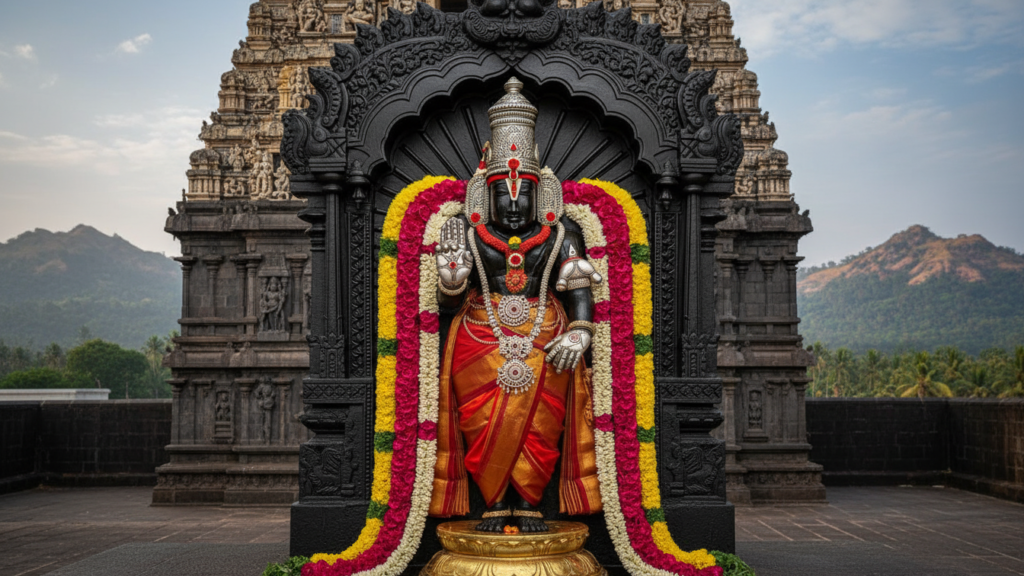
Big news for all Tirumala devotees! The TTD has just announced the opening of March 2026 online seva and darshan bookings, and if you’re planning to participate in any of the sacred rituals next spring, mark your calendar for December 22, 2025, at 3:00 PM. This is your chance to secure spots for some of the most revered sevas at Sri Venkateswara Temple, including Kalyanotsavam, Unjal Seva, Arjitha Brahmotsavam, and Sahasra Deepalankara Seva. Trust me, these slots fill up faster than you’d think. What’s Opening for Booking? The Tirumala Tirupati Devasthanams is releasing the quota for four major sevas: Kalyanotsavam – The divine wedding ceremony of Lord Venkateswara and Goddess Padmavathi. It’s one of the most beautiful rituals you’ll ever witness, filled with traditional celebrations and divine blessings. Unjal Seva – The holy swing ceremony where the deity is placed on a decorated swing. There’s something incredibly peaceful about watching this ancient ritual. Arjitha Brahmotsavam – A special festive worship that brings together elaborate decorations, special poojas, and spiritual fervor. This is TTD’s premium seva offering. Sahasra Deepalankara Seva – The thousand-lamp decoration ceremony. Imagine the entire sanctum illuminated with a thousand lamps—it’s absolutely mesmerizing. Critical Booking Information Here’s everything you need to know to secure your spot: Booking Opens: December 22, 2025Exact Time: 3:00 PM (Set an alarm!)Booking Month: March 2026 sevas and darshanPlatform: Official TTD website Step-by-Step: How to Book Your Seva Step 1: Get Your TTD Account Ready Head to https://ttdevasthanams.ap.gov.in/home/dashboard and create your account if you haven’t already. Verify your email and phone number—this is crucial because last-minute verification issues can cost you precious booking time. Step 2: Be Online Before 3 PM Log in at least 10-15 minutes early. The server gets heavy traffic right at 3 PM, and being logged in beforehand gives you an edge. Step 3: Navigate to Seva Booking Visit TTD Seva Online and select your preferred seva and date. Have multiple date options in mind—your first choice might already be full. Step 4: Complete Payment Quickly Once you select your slot, pay immediately. Slots aren’t reserved during the payment process, so speed matters here. Step 5: Download Everything Save your confirmation email, download the ticket PDF, and take screenshots. I’ve seen people lose bookings because they couldn’t retrieve their confirmation later. Step 6: Book Connected Darshan If available, book your connected darshan slot immediately after securing the seva. These are linked quotas specifically for seva participants. Why This March 2026 Release Matters March is festival season at Tirumala, which means elevated spiritual energy but also massive demand. These sevas are particularly sought-after because: The connected darshan option is especially valuable—it gives you priority access without the uncertainty of general darshan queues. Virtual Participation: The Modern Blessing Here’s something many devotees don’t realize: TTD now offers virtual participation for these sevas. If you can’t physically make it to Tirumala, you can still be part of these sacred rituals from anywhere in the world. This feature has been a blessing for: Virtual participation includes live streaming of the seva with your name announced during the ritual. It’s not quite the same as being there, but it’s the next best thing. Pro Tips from Experienced Pilgrims Set multiple alarms: Seriously, don’t rely on remembering. Set alarms for 2:45 PM and 2:55 PM on December 22. Use a laptop if possible: Mobile apps sometimes lag during high traffic. Desktop browsers tend to be more stable. Have backup payment methods: Keep UPI, net banking, and card details ready. Sometimes one payment gateway works better than others. Screenshot everything: From the booking page to confirmation—capture it all. It helps if you need to contact TTD support later. Check ID requirements: Carry the same ID proof you used for booking when you visit. Mismatches can cause entry issues. Book accommodation early: If you’re traveling for the seva, book your stay immediately after securing your seva slot. March accommodations fill up fast. What Happens After You Book? Once your booking is confirmed, you’ll receive: Keep all these safe. You’ll need to present the ticket and matching ID proof when you arrive at Tirumala. The connected darshan timing will be communicated in your confirmation—usually scheduled around your seva time for convenience. Common Booking Mistakes to Avoid Waiting until the last minute to create an account: Account verification can take time. Do this at least a day before December 22. Not checking internet connectivity: Test your internet speed beforehand. A dropped connection at 3:01 PM will break your heart. Booking without checking travel feasibility: Make sure you can actually travel in March before booking. Seva cancellations are complicated and often non-refundable. Forgetting to book connected darshan: Some people book the seva and forget the darshan, then struggle to get general darshan tickets later. Looking Ahead: Stay Updated TTD typically releases booking quotas month by month. If you miss the March quota, keep an eye out for: Follow TTD’s official website and social media for real-time updates. They occasionally release additional slots if there are cancellations. Final Thoughts Booking these sevas is about more than just securing a slot—it’s about planning a meaningful spiritual experience. The divine energy during these rituals at Tirumala is something you’ll carry with you long after your pilgrimage ends. Whether you’re going for Kalyanotsavam’s wedding celebration, Unjal Seva’s serene swing ceremony, the grand Brahmotsavam, or the luminous Sahasra Deepalankara, each offers a unique connection with Lord Venkateswara. Set your reminder for December 22 at 3 PM, and may your booking be successful. See you at Tirumala! Planning to book for March 2026? Drop a comment below about which seva you’re most excited for! And if you’ve attended any of these sevas before, share your experience—it helps first-time pilgrims.
Tirumala News

How to Order Tirumala TTD Laddu Online: A Devotee’s Complete Guide

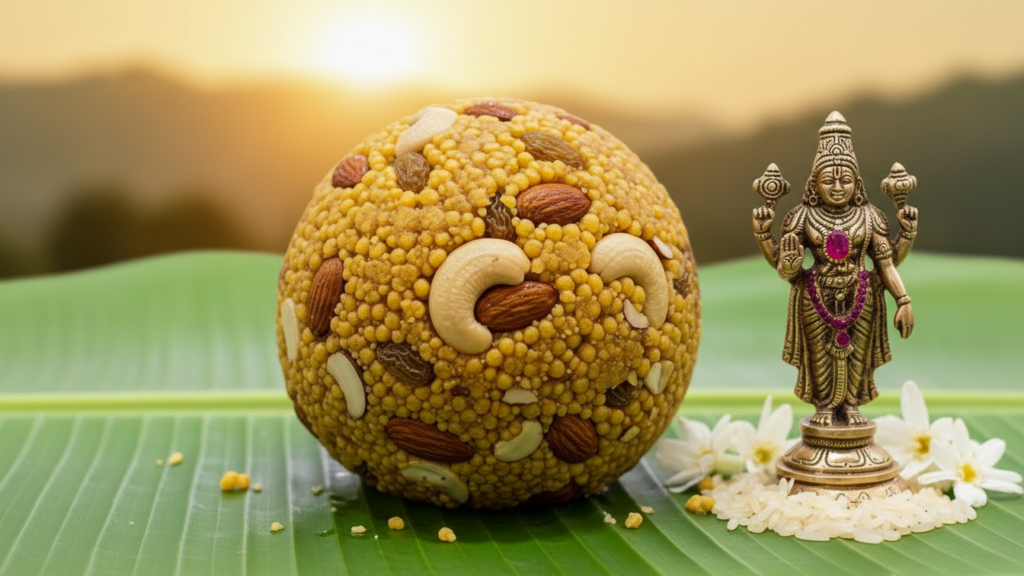
If you’re planning a pilgrimage to Tirumala, you’ve probably wondered about taking home the sacred Tirupati laddu prasadam. This divine offering, prepared daily in the temple’s Laddu Potu since 1715, holds a special place in every devotee’s heart. Let me walk you through everything you need to know about ordering these blessed laddus. The Truth About TTD Laddu Online Ordering Here’s what every pilgrim needs to know upfront: nationwide home delivery of TTD laddus isn’t officially available as of December 2025. Yes, you might see ads claiming otherwise, but always verify through official TTD channels first. However, you can order laddus through authorized methods: After darshan, you receive one complimentary laddu. Additional laddus cost ₹50 each for the medium size. How to Buy Extra Laddus During Your Tirumala Visit When you’re at the temple, follow this simple process: Step 1: Complete your darshan at Sri Venkateswara Temple Step 2: Head straight to the laddu counters on West Mada Road (trust me, going right after darshan saves you from afternoon crowds) Step 3: Present your darshan ticket and Aadhaar card for verification Step 4: Purchase your laddus at ₹50 per piece for medium-sized ones Step 5: Collect your carefully packaged prasadam Pro tip from my October 2025 visit: The self-service kiosks are a game-changer! Pay via UPI, get your receipt instantly, and skip the longer queues. On weekends and festival days, lines can exceed 120 devotees, so timing matters. Can You Pre-Book Laddus Online? Yes, but with conditions. The TTD seva portal sometimes allows you to reserve additional laddus—but only when linked to a valid darshan or seva booking. You can’t just order laddus standalone. Here’s what you need to know: TTD Laddu Pricing (Official Rates) Laddu Type Weight Price Standard Medium ~175 grams ₹50 Large Laddu ~750 grams ₹200 (when available) Free Darshan Laddu ~175 grams Included with darshan Despite circulating rumors, TTD has confirmed no price increase for the ₹50 laddu. Don’t fall for unofficial claims. Smart Tips from Real Pilgrim Experiences Timing is everything: Arrive early morning before peak darshan hours. During my November 2025 visit, laddus sold out by early afternoon despite 300,000+ daily production. Payment options: Carry both cash and digital payment methods. UPI works seamlessly at kiosks. Freshness matters: Ask for vacuum-packed laddus—they stay fresh for 10-15 days, perfect for taking home or gifting. Festival planning: Demand spikes dramatically during festivals. If you’re visiting during special occasions, make laddu purchase your priority right after darshan. Quantity limits: You can typically buy 2-6 extra laddus based on availability and ticket type, though this varies by crowd and day. Common Mistakes to Avoid Don’t believe social media claims about nationwide delivery—stick to official TTD communications. Don’t try ordering laddus online without a linked darshan ticket—the system won’t allow it. Don’t queue up for laddus before completing your darshan—you’ll be turned away. Don’t trust price hike rumors—verify everything through TTD’s official channels. Quick Answers to Your Questions Q: Where exactly is the laddu counter?The main counter is on West Mada Road, adjacent to the temple complex. Q: Can I buy without darshan?Sometimes kiosks allow purchases without darshan tickets, but policies vary by season and crowd levels. Q: How many laddus can I order?Depends on your ticket type—usually 2-6 extra laddus when available. Q: How long do they stay fresh?Vacuum-packed laddus remain fresh for 10-15 days. Q: Is home delivery available?Not officially as of late 2025. Orders are made onsite or through linked ticket bookings. Final Thoughts Getting your hands on the sacred Tirupati laddu prasadam doesn’t have to be complicated. Stick to official channels, plan your visit strategically, and you’ll bring home this divine blessing without hassle. The key is understanding the actual process rather than falling for misleading information. Remember, this isn’t just about the laddu—it’s about carrying home a piece of your spiritual journey. When you taste that blessed prasadam weeks later, it brings back the divine darshan and the peace you felt at Tirumala. Have you visited Tirumala recently? Share your laddu ordering experience in the comments below!

Tirumala History Origin

The Magnificent Tirumala Temple Architecture

The Tirumala temple is a masterpiece of Dravidian architecture spanning 2.2 acres. Standing 415 feet long and 263 feet wide, it represents centuries of artistic and spiritual dedication. Aerial view showing the grand temple complex Main Architectural Features 1. Maha Dwaram (Padivaakili) – The Main Gate The 50-foot-tall outer gopuram (tower) is the first gateway. Its intricate carvings depict scenes from Hindu mythology and welcome devotees into the sacred space. 2. Dhvajasthambham – The Flag Post A golden flag post stands in the open courtyard, representing the Lord’s divine presence protecting the temple. 3. Ranganayaka Mandapam To the left of the entrance, this beautiful hall hosts special ceremonies including the famous Dolotsavam (swing festival). Its pillared architecture is stunning. 4. Aina Mahal – Hall of Mirrors The incredible “Hall of Mirrors” on the right creates infinite reflections, symbolizing how the divine Lord is present everywhere at once. 5. Vendi Vakili – Silver Entrance The silver entrance door marks the transition into more sacred space. Only ticketed devotees can pass through this point. 6. Bangaru Vakili – Golden Entrance The golden entrance is the threshold to the inner sanctum. Beyond this point, the chambers become narrower and darker. 7. Garbha Griha – Inner Sanctum The innermost “womb chamber” where Lord Venkateswara’s main deity stands. This is the holiest spot where devotees receive darshan. The Sacred Symbolism The Journey Inward: The temple is designed like a spiritual journey! As you walk toward the main deity, the halls become progressively narrower. This represents: The narrowing path symbolizes the concentration of spiritual energy and the soul’s progression toward divine union. Architectural Highlights

Seven Hills of Tirumala
Tirumala, Tirumala History Origin

 The Sacred History of Tirumala Tirupati 🙏 Om Namo Venkatesaya 🙏

Welcome to the most comprehensive guide about Tirumala’s history! This sacred temple, nestled in the seven hills of Seshadri, is not just a place of worship – it’s a living testament to thousands of years of faith, devotion, and divine grace. Every year, millions of devotees from across the world climb these holy hills to seek the blessings of Lord Venkateswara. Let’s explore the fascinating story of how this became the world’s most visited religious destination. The magnificent Seshadri mountain range where Lord Venkateswara resides Why Tirumala is the World’s Most Famous Temple Tirumala Tirupati temple stands on seven hills in Andhra Pradesh, India, dedicated to Lord Venkateswara, a form of Lord Vishnu. What makes this temple truly extraordinary is its popularity. With over 50,000 to 100,000 visitors every single day, Tirumala receives more pilgrims than any other religious place on Earth. That’s more than Vatican City, Mecca during non-Hajj periods, or any other holy site! Quick Info About Tirumala: Feature Details Location Seven Hills (Seshadri) in Chittoor District, Andhra Pradesh Daily Visitors 50,000 to 100,000 pilgrims Temple Age Over 2,000 years of documented history Annual Income One of the richest religious institutions globally Temple Area 2.2 acres (415 feet × 263 feet) The Sacred Origin: How Tirumala Was Born The Story of Lord Varaha and Bhudevi Long ago, during the Satya Yuga (the first age of the world), a demon named Hiranyaksha caused terrible trouble. He pushed Mother Earth, called Bhudevi, to the bottom of the cosmic ocean. All the gods were worried and prayed to Lord Vishnu for help. Lord Vishnu then appeared from Lord Brahma’s nose in the magnificent form of Sri Varahadev – a divine boar. With His mighty tusks, He lifted Mother Earth from the ocean depths and brought her back to safety. Bhudevi, who is actually an expansion of Goddess Lakshmi, was overjoyed to be reunited with her Lord. Lord Varaha rescuing Bhudevi from the cosmic ocean Being deeply devoted to Lord Varaha, Bhudevi requested Him to stay with her on Earth. Lord Varaha agreed and asked Garuda, His divine eagle carrier, to fly to Vaikuntha (the divine realm) and bring down one of His favorite mountains. That sacred mountain is what we know today as Tirumala! Did You Know? The word “Tirumala” means “Sacred Hill” in Tamil. This mountain was literally brought from Lord Vishnu’s divine realm Vaikuntha to Earth! The Secret of the Seven Hills: Adisesha’s Manifestation There’s another beautiful story about these hills. Adisesha, the divine thousand-headed serpent who serves as Lord Vishnu’s bed in Vaikuntha, wanted to support the Lord’s presence on Earth. So Adisesha incarnated as these seven hills to provide a perfect resting place for the Lord. This is why the seven hills are called “Seshadri” – the mountain of Sesha. Each of the seven hills has a special name: Each hill represents one of Adisesha’s seven hoods The Legend of Bhrgu Muni: Finding the Supreme God One of the most important stories in Tirumala’s history involves the great sage Bhrgu Muni. This story explains why Lord Vishnu is considered the Supreme Personality of Godhead. The Great Question Once upon a time, the great sage Narada Muni visited powerful rishis (sages) who were performing a sacred yagna (fire ceremony). Narada asked them an interesting question: “Among all the gods – Brahma, Vishnu, and Shiva – who is truly the greatest? To whom should we offer the fruits of this yagna?” The sages had different opinions. Some thought Brahma was the greatest, others believed in Vishnu, and some praised Shiva. After much discussion, they decided that the truly greatest god must be one who is completely free from anger, ego, and all human weaknesses. They chose Bhrgu Muni, a wise and respected sage, to test all three gods and find out who was truly supreme. Test #1: Lord Brahma – The Test of Respect Bhrgu Muni first went to meet his father, Lord Brahma, the creator of the universe. When Brahma saw his son, he was very happy. But Bhrgu Muni purposely ignored his father and showed no respect at all. This was extremely rude according to Indian culture! Lord Brahma became very angry. His face turned red, and he wanted to punish his disrespectful son. However, somehow he controlled his anger and didn’t say anything. Result: Bhrgu Muni noticed that his father had failed the test – Brahma was affected by the material quality of anger (raja guna). So Bhrgu Muni quietly left. Test #2: Lord Shiva – The Test of Tolerance Next, Bhrgu Muni traveled to Mount Kailash, where Lord Shiva lived with his wife, Goddess Parvati. When Shiva saw his younger brother Bhrgu approaching, he came forward with open arms saying, “Oh Bhrgu! I’m so happy to see you! Welcome to Kailash!” But Bhrgu Muni stopped him and said insulting words: “Stay away from me! Don’t touch me! You smell terrible because you cover yourself with ashes from cremation grounds. You wear skulls as jewelry and hang around with ghosts and outcasts. If you touch me, I’ll need to take a hundred baths in the Ganges just to purify myself!” Lord Shiva about to raise his trident in anger at Mount Kailash Lord Shiva became furious. He picked up his mighty trident and was about to punish Bhrgu when Parvati quickly intervened. “No, my Lord! Please calm down. He is your brother!” she pleaded. Lord Shiva listened to his wife and controlled his anger. Result: Bhrgu Muni noted that even the great Lord Shiva could not remain unaffected by anger, and so he too had failed the test. Test #3: Lord Vishnu – The Ultimate Test Finally, Bhrgu Muni went to Swetha Dweepa, Lord Vishnu’s abode within our universe. There he found Lord Vishnu lying on His divine bed, being served by Goddess Lakshmi. Without any warning or announcement, Bhrgu Muni walked right up to the Lord and kicked Him directly on the chest! This was the ultimate insult. In Hindu tradition, the chest of

Scroll to Top