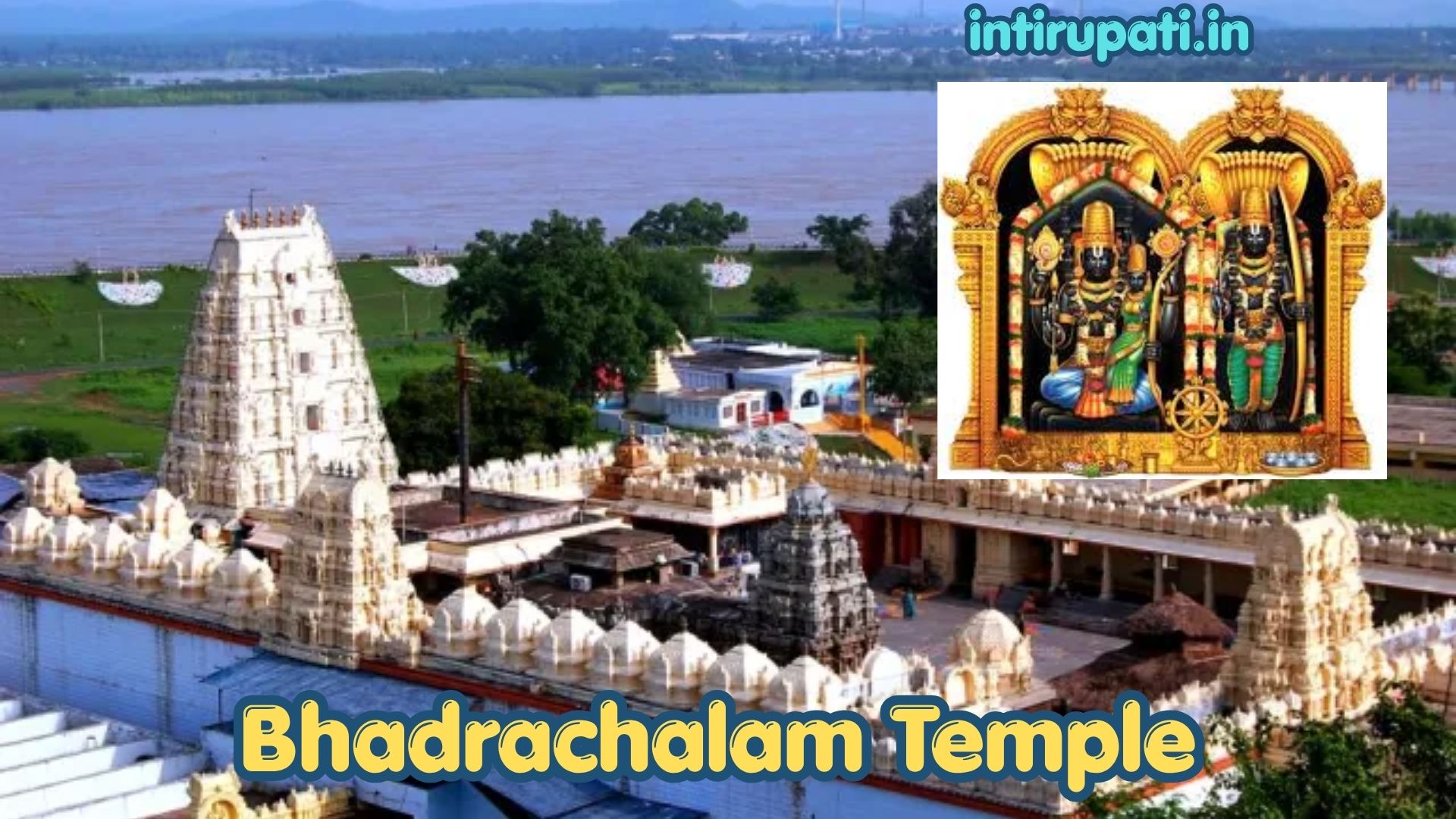
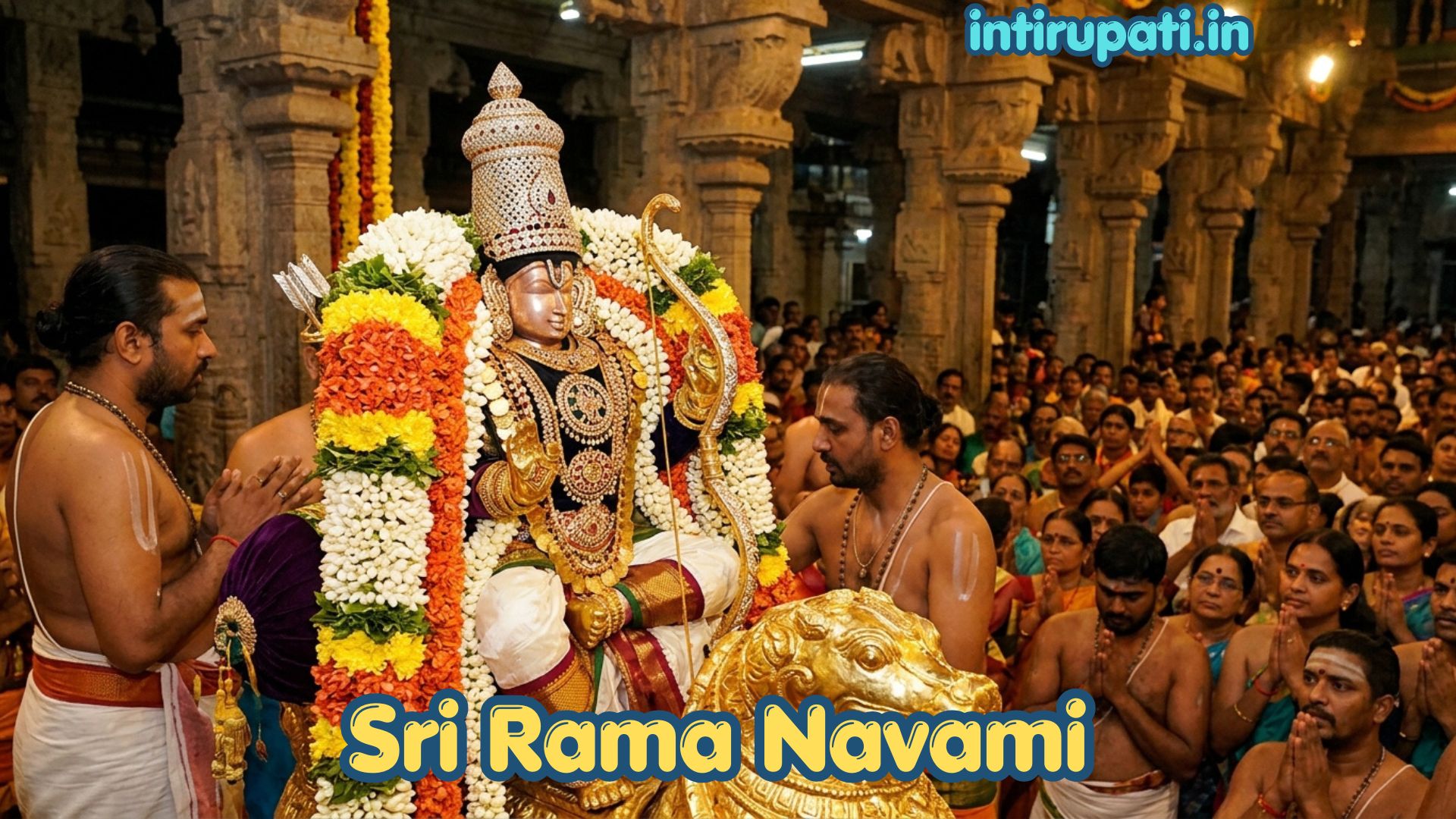
Rama Navami, the auspicious celebration of Lord Rama’s birth, is one of the most cherished festivals in the Hindu calendar. In 2026, this sacred day brings together millions of devotees across the world in prayer, reflection, and joyous celebration. Whether you plan to observe the festival at home, visit a local temple, or embark on a pilgrimage to renowned Rama temples, this comprehensive guide provides everything you need to know. Understanding Sri Rama Navami: The Birth of Maryada Purushottam Rama Navami marks the birth anniversary of Lord Rama, the seventh incarnation of Lord Vishnu. Revered as Maryada Purushottam—the ideal man who upheld righteousness (dharma) in every aspect of life—Lord Rama’s life story, chronicled in the epic Ramayana, serves as a timeless guide for human conduct. Born to King Dasharatha and Queen Kausalya in Ayodhya during the Treta Yuga, Lord Rama’s birth is believed to have occurred at the precise Madhyahna (midday) moment when the sun was at its highest point. This festival falls on the Navami Tithi (9th day) of Shukla Paksha (waxing moon) in the Hindu month of Chaitra, marking the grand culmination of the nine-day Chaitra Navratri festival. For devotees worldwide, Rama Navami is a profound opportunity to reflect on the ideals of truth, duty, and unwavering devotion. Observing this day with sincerity is believed to cleanse past karmas, bring inner peace, and invite divine blessings into one’s life. Rama Navami 2026: Dates and Timings When is Rama Navami in 2026? According to the Drik Panchang calculations and multiple sources, Rama Navami 2026 falls on: Festival Rama Navami Date Thursday, 26th March 2026 Navami Tithi Begins 11:48 AM on March 26, 2026 Navami Tithi Ends 10:06 AM on March 27, 2026 Madhyahna Puja Muhurat 11:13 AM to 1:41 PM (2 hours 28 minutes) Madhyahna Moment (Peak) 12:27 PM Note: Timings are based on Indian Standard Time (IST) and may vary slightly based on your geographical location. It is always advisable to consult a local Panchang for city-specific timings. The Significance of Madhyahna Muhurat The most sacred time for Rama Navami puja is the Madhyahna Muhurat—the midday period when Lord Rama is believed to have been born. In 2026, this window extends from 11:13 AM to 1:41 PM on March 26, with the peak birth moment at 12:27 PM. This is when devotees should perform the main rituals, including the cradle ceremony (Jhula Jhulana) for baby Rama’s idol. Why Do Some Temples Celebrate on March 27? A common question arises: if Rama Navami is on March 26, why do some major temples, like Bhadrachalam, hold their main Kalyanam (wedding) on March 27? The answer lies in the Udaya Tithi principle followed by Vaishnava traditions. Under this system, a festival is observed based on the tithi prevailing at sunrise. On March 27, the Navami Tithi is still present at sunrise, making it the correct observance date for many Vaishnava temples. Both March 26 and March 27 are spiritually significant, and devotees can choose to celebrate based on their family traditions or temple schedules. Rama Navami 2026 Celebrations at Major Temples Bhadrachalam: The Grand Sita Rama Kalyanam Sri Sita Ramachandra Swamy Temple in Bhadrachalam, Telangana—revered as Dakshina Ayodhya—hosts one of the most spectacular Rama Navami celebrations in India. The 15-day Vasanta Paksha Thirukalyana Brahmotsavams draws lakhs of devotees. Key Dates for Bhadrachalam 2026: Event Date Timings Ankurarpanam (Brahmotsavams Begin) March 23, 2026 Morning Dwajarohanam (Flag Hoisting) March 25, 2026 Morning Edurukolu (Pre-Wedding Procession) March 26, 2026 Evening Sita Rama Kalyanam March 27, 2026 10:30 AM – 12:30 PM Maha Pattabhishekam March 28, 2026 Evening Theppotsavam (Float Festival) March 30, 2026 Evening Poornahuthi (Concluding Ceremony) April 2, 2026 Morning The Kalyanam Experience The highlight of Bhadrachalam Rama Navami is the Sita Rama Kalyanam—the celestial wedding of Lord Rama and Goddess Sita. Held during the auspicious Abhijit Lagna (10:30 AM to 12:30 PM), the ceremony includes the breathtaking Mutyala Talambralu—a sacred shower of pearls and sanctified rice over the divine couple’s idols. A unique aspect of Bhadrachalam is the Telangana government’s participation, continuing a 400-year tradition of presenting Talambralu (gifts) on behalf of the state—a practice dating back to the Golconda Nawabs and the Nizam of Hyderabad. Kalyanam Tickets and Participation Devotees wishing to participate in the Kalyanam can book tickets through the official portal: bhadradritemple.telangana.gov.in Seva Type Price (approx) Notes Sri Rama Navami Kalyanam Ticket ₹1,000 – ₹1,116 per person Sells out within hours of release Seegra Darshan ₹50 – ₹100 Shorter waiting time Sarva Darshan Free Open to all Tickets typically open for online booking in early-to-mid March. Set calendar reminders and book immediately when the window opens. Travel and Accommodation Tips for Bhadrachalam Pro Tip: Arrive by March 26 to attend the Edurukolu (pre-wedding procession), which is deeply meaningful and significantly less crowded than Kalyanam day. For the Kalyanam on March 27, reach the temple by 8:00 AM to secure a good viewing spot. Tirupati: Sri Kodandarama Swamy Temple Celebrations In Tirupati, the Sri Kodandarama Swamy Temple celebrates Rama Navami with a three-day Utsavam from March 27 to 29, 2026, followed by the Teppotsavam (Float Festival) from March 30 to April 1. Date Event Timings March 27 Sri Ramanavami: Snapana Tirumanjanam, Asthanam, Hanumantha Vahanam procession Morning & 7 PM March 28 Sri Sita Rama Kalyanam 6 PM – 9 PM March 29 Sri Rama Pattabhishekam, grand procession 7 PM – 8:30 PM March 30 – April 1 Teppotsavam at Sri Ramachandra Pushkarini 7 PM – 8:30 PM Kalyanam Participation: Devotees can participate in the Sita Rama Kalyanam on March 28 by paying ₹1,000 , which includes Uttariyam, Ravike, and Laddu prasadam. Ayodhya: Celebrations at the New Ram Mandir With the Shri Ram Janmabhoomi Temple now complete, Rama Navami 2026 in Ayodhya is expected to draw unprecedented crowds. The celebrations include: Travel Note: If planning to visit Ayodhya, book accommodations months in advance and arrive by March 25 to avoid last-minute rush. How to Celebrate Rama Navami at Home Not everyone can make a temple pilgrimage, but the blessings of Rama Navami are equally accessible through heartfelt home celebrations. Here’s how to create a meaningful observance: Preparation Puja Samagri (Items Needed) Step-by-Step Puja Process Powerful Mantras for Rama Navami Mantra Chant Moola Mantra ॐ श्री रामाय नमः (Om Sri Ramaya Namah) Taraka
Sri Ramanavami Utsavams 2026 at Sri Kodandarama Swamy Temple, Tirupati: A Divine Three-Day Celebration
As the holy month of Chaitra ushers in spring, the sacred city of Tirupati prepares to immerse itself in devotion, music, and divine celebration. The Tirumala Tirupati Devasthanams (TTD) has announced a grand three-day Sri Ramanavami Utsavams at the historic Sri Kodandarama Swamy Temple, running from March 27 to March 29, 2026. This annual celebration commemorates the birth of Lord Rama, the seventh incarnation of Lord Vishnu, and brings to life the timeless stories of the Ramayana through rituals, processions, and spiritual gatherings. Whether you are a devotee planning to attend or simply wish to understand the significance of these festivities, this guide will walk you through everything you need to know. The Venue: Sri Kodandarama Swamy Temple, Tirupati Nestled in the heart of Tirupati, the Sri Kodandarama Swamy Temple holds a special place in the spiritual landscape of the region. Unlike the bustling hills of Tirumala, this temple offers a serene atmosphere where Lord Rama, along with Sita, Lakshmana, and Anjaneya (Hanuman), blesses devotees in a tranquil setting. The temple is renowned for its grand celebrations of Ramanavami, drawing devotees from across the country who come to witness the celestial wedding (Sita Rama Kalyanam) and the majestic processions that bring the Ramayana to life. Day-by-Day Guide to Sri Ramanavami Utsavams 2026 The three-day festival is meticulously planned, with each day dedicated to a significant event from the life of Lord Rama. Day 1: March 27, 2026 – Sri Ramanavami The festivities commence on the auspicious day of Sri Ramanavami, marking the birth of Lord Rama. Morning Rituals (8 AM – 9 AM):The day begins with sacred Abhishekam to the presiding deities, followed by Snapana Tirumanjanam—a holy bathing ceremony for the utsava deities (procession idols) of Sri Rama, Sita, Lakshmana, and Anjaneya. This ritual is believed to purify the surroundings and prepare the deities for the day’s celebrations. Afternoon (3 PM):Devotees gather for the Sri Ramanavami Asthanam, a grand ceremonial assembly where hymns from the Ramayana are recited, and the Lord is honored with traditional offerings. The atmosphere resonates with Vedic chants and devotional music. Evening (7 PM):A visual treat awaits as the Lord blesses devotees on the Hanumantha Vahanam (Hanuman’s vehicle). The procession winds through the temple Mada streets, with Lord Rama seated gracefully, reminding us of Hanuman’s unwavering devotion. This is a sight to behold—a sea of devotees, the rhythmic beats of drums, and the divine presence of Rama. Day 2: March 28, 2026 – Sri Sita Rama Kalyanam The second day is the crown jewel of the Utsavams—the celestial wedding of Sri Sita and Sri Rama. Morning (9 AM – 10 AM):A unique procession marks the beginning of the wedding preparations. Mutyala Talambralu (pearls used in the wedding ritual) are carried on a beautifully adorned elephant from the TTD Administrative Building to the temple. This procession, accompanied by temple honors, sets the festive mood for the day. Evening (6 PM – 9 PM):The much-awaited Sri Sita Rama Kalyanam takes center stage. The wedding ceremony is conducted with full Vedic rituals, recreating the divine union of Rama and Sita. Devotees can participate in this sacred event by paying Rs. 1000/-, which includes offerings of Uttariyam, Ravike, and Laddu prasadam as blessings from the Lord. For those wishing to participate, it is advisable to arrive early and confirm registration details with the temple authorities. Day 3: March 29, 2026 – Sri Rama Pattabhishekam The final day celebrates Lord Rama’s coronation—a moment of justice, righteousness, and the restoration of dharma. Morning (8 AM):Sacred water is ceremonially brought from Sri Narasimha Teertham in Tirupati, accompanied by full temple honors. This is followed by Chaturdasha Kalasha Snapana Tirumanjanam, a purifying ritual using fourteen consecrated pots, bathing the Lord in holy waters. Evening (7 PM – 8:30 PM):The grand Sri Rama Pattabhishekam (coronation ceremony) is performed. Devotees witness the enactment of Rama’s ascension to the throne of Ayodhya—a moment of joy and spiritual significance. Post-Ceremony Procession:Following the Pattabhishekam, a magnificent procession takes place. Sri Sita, Rama, and Lakshmana are seated on a golden Tiruchi (a palanquin-like carrier), while Sri Anjaneya Swamy graces a special Tiruchi. Together, they circumambulate the temple Mada streets, blessing one and all. Teppotsavams 2026: The Float Festival The celebrations do not end with the Ramanavami Utsavams. From March 30 to April 1, 2026, devotees can experience the enchanting Teppotsavams (Float Festival) at Sri Ramachandra Pushkarini, the temple tank. Daily Schedule: Each evening brings a unique spectacle: The sight of the deities gently floating on the shimmering waters, accompanied by Vedic chants and the soft glow of lamps, is an experience that stays with devotees long after the festival ends. Why You Should Attend Attending the Sri Ramanavami Utsavams at Sri Kodandarama Swamy Temple is more than a pilgrimage—it is an immersion into living tradition. Here’s why this festival holds a special place: Practical Information for Devotees Location: Sri Kodandarama Swamy Temple, Tirupati, Andhra Pradesh. Dates: Kalyanam Participation Fee: Rs. 1000/- (includes Uttariyam, Ravike, and Laddu prasadam) Best Time to Visit: Evenings are particularly lively with processions and ceremonies. Arriving early in the day allows for a peaceful darshan before the crowds gather. What to Wear: Traditional attire is appreciated when visiting the temple. Men may wear dhotis, and women can wear sarees or salwar kameez. Travel Tips: Frequently Asked Questions (FAQs) 1. When are the Sri Ramanavami Utsavams 2026 being celebrated? The Utsavams will be held from March 27 to March 29, 2026, at Sri Kodandarama Swamy Temple in Tirupati. The Teppotsavams continue from March 30 to April 1, 2026. (TTD) 2. What are the main events during the three-day festival? 3. Can devotees participate in the Sita Rama Kalyanam? Is there a fee? Yes, devotees can participate in the celestial wedding ceremony on March 28. The participation fee is Rs. 1000/-, which includes an Uttariyam, Ravike, and Laddu prasadam. 4. What are Teppotsavams, and when do they take place? Teppotsavams are the float festival held at Sri Ramachandra Pushkarini. They take place from March 30 to April 1, 2026, daily from 7 PM to 8:30 PM. The float circumambulates the Pushkarini—5 rounds on day one, 7 on day two, and 9 on day three. 5.
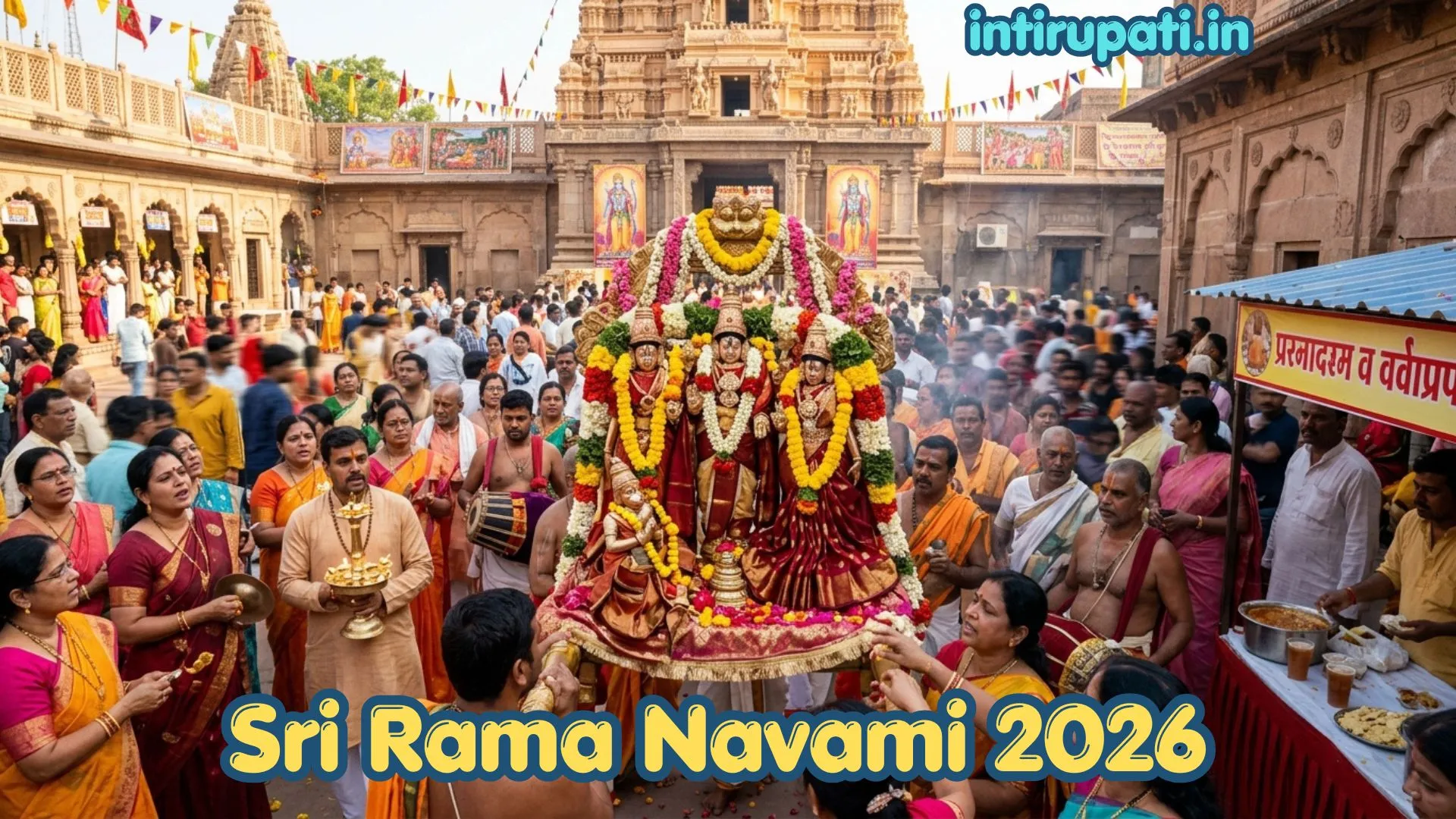
Vontimitta Sri Rama Navami 2026: Full Schedule, Sita Rama Kalyanam Date, Brahmotsavams Guide & Travel Tips
If there is one festival in Andhra Pradesh where devotion, culture, and history all come together in one magnificent place, it is the Vontimitta Sri Rama Navami Brahmotsavams. Every year, lakhs of pilgrims travel to the ancient Sri Kodandarama Swamy Temple in Kadapa district to witness 11 days of divine celebrations — and 2026 is going to be truly special. Whether you are a first-time visitor trying to plan your trip or a regular devotee looking for the updated schedule, this guide covers everything you need to know about Vontimitta Sri Rama Navami 2026 — from exact dates and timings to travel tips and online booking. Quick Reference: Key Dates at a Glance (Panduga) Festival Event Date & Time Brahmotsavams Start (Ankurarpanam) March 26, 2026 Sri Rama Navami March 26, 2026 Ram Janma Muhurat 11:13 AM – 1:41 PM (Peak: 12:27 PM) Dhwajarohanam March 27, 9:30 AM – 10:15 AM Garuda Seva March 31, Evening Sri Sita Rama Kalyanam April 1, 6:30 PM – 8:30 PM Rathotsavam April 2, Morning Pushpayagam (Finale) April 5, 6:00 PM – 9:00 PM Booking Portal ttdevasthanams.ap.gov.in About Vontimitta — Andhra Pradesh’s Very Own Ayodhya Tucked away in Kadapa district, roughly 25 km from Kadapa city near Rajampet, the Sri Kodandarama Swamy Temple at Vontimitta is one of the most sacred Rama temples in all of South India. Locals and devotees across generations have lovingly called it Dakshina Ayodhya — the Ayodhya of the South — and for good reason. The temple’s architecture goes back to the Vijayanagara period of the 16th century. The gopuram and mandapam bear the hallmark stone craftsmanship of that era — intricate carvings that still leave visitors speechless. The presiding deities here are Lord Sri Kodandarama Swamy, Goddess Sita Devi, and Lakshmana. The Andhra Pradesh Endowments Department administers the temple, while TTD (Tirumala Tirupati Devasthanams) oversees the key sevas and the annual Brahmotsavams. What makes Vontimitta extra special compared to other Rama temples? The connection to Bammera Pothana — the beloved Telugu poet who composed the Andhra Maha Bhagavatam. His Jayanthi is celebrated here every year during the Brahmotsavams, giving the festival a rich literary and cultural identity that is truly unique. Vontimitta Sri Rama Navami 2026 — Festival Overview The Vontimitta Brahmotsavams 2026 runs for 11 consecutive days, from March 26 to April 5, 2026. The preparations actually began earlier, with a Koil Alwar Thirumanjanam (temple purification ritual) conducted on March 24. The Ankurarpanam — the sacred sowing of seeds that formally marks the start of Brahmotsavams — was performed on March 26. Sri Rama Navami Date & Ram Janma Muhurat 2026 Sri Rama Navami 2026 falls on Thursday, March 26. The Navami Tithi begins at 11:48 AM on March 26 and extends to 10:06 AM on March 27, so most devotees observe the festival on March 26, though some communities also observe it on March 27. The Ram Janma Muhurat — the most sacred window believed to correspond with Lord Rama’s birth — runs from 11:13 AM to 1:41 PM on March 26. The most auspicious moment within this window is 12:27 PM, known as the Madhyahna Moment. If you are at the temple on March 26, try to be present for the special abhishekam and aarti performed during this window. It is an experience unlike anything else. Complete Day-wise Brahmotsavams Schedule 2026 Here is the full officially announced schedule for Vontimitta Brahmotsavams 2026: Date Morning Event Evening / Night Event March 27 Dhwajarohanam (9:30–10:15 AM, Vrishabha Lagnam) Sesha Vahanam March 28 Venugana Alankaram Hamsa Vahanam March 29 Vatapatrasai Alankaram Simha Vahanam March 30 Navaneeta Krishna Alankaram Hanumanta Vahanam March 31 Mohini Alankaram Garuda Seva April 1 Sivadhanurbhanga Kanta Korika & Edurkolu Utsavam (3:15 PM) → Sri Sita Rama Kalyanam (6:30–8:30 PM) → Gaja Vahanam (9 PM) April 2 Rathotsavam — April 3 Kaliyamardhana Aswa Vahanam April 4 Chakra Snanam Dhwajavarohanam April 5 — Pushpayagam (6:00–9:00 PM) Additionally, throughout the entire Brahmotsavams period, Vahana Sevas (vehicle processions) are held twice daily: Events You Simply Cannot Miss 1. Dhwajarohanam — March 27 (9:30 AM) The Brahmotsavams officially opens with the hoisting of the sacred Garuda Dhwaja during the auspicious Vrishabha Lagnam on the morning of March 27. The ritual wraps up by 10:15 AM. The temple courtyard fills with thousands of devotees, the air resonates with Vedic chants and trumpets, and the sheer energy of the moment sets the spiritual tone for the entire 10 days ahead. If you arrive on the first day, be at the temple before 9 AM. At 4 PM on the same day, the temple hosts Pothana Jayanthi and Kavi Sammelanam — a gathering of Telugu poets in honour of Bammera Pothana. This literary-devotional combination is something you will not find at any other Rama festival in Andhra Pradesh. 2. Garuda Seva — March 31 (Evening) Among all the nightly Vahana Sevas, Garuda Seva draws one of the most fervent crowds. Lord Garuda is the divine eagle carrier of Lord Vishnu, and witnessing the deity seated on this vehicle is considered extraordinarily meritorious. Plan to be at the temple by 6:30 PM on March 31 to secure a good position. 3. Sri Sita Rama Kalyanam — April 1 (6:30 PM to 8:30 PM) This is the crown jewel of the entire Brahmotsavams. On the evening of April 1, priests enact the divine wedding of Lord Rama and Goddess Sita in a ceremony filled with Vedic chanting, traditional nadaswaram music, and breathtaking floral decorations. The single largest crowd of the 11-day festival gathers on this evening. The celebrations on April 1 actually build through the day. The Edurkolu Utsavam at 3:15 PM — where the deities ceremonially go out to receive the divine wedding party — and the Kanta Korika ritual that follows, both add layers of anticipation before the Kalyanam begins. After the wedding ceremony, the Gaja Vahanam (elephant vehicle procession) takes place at 9 PM. If you can only attend one day of the Brahmotsavams, make it April 1. But arrive by
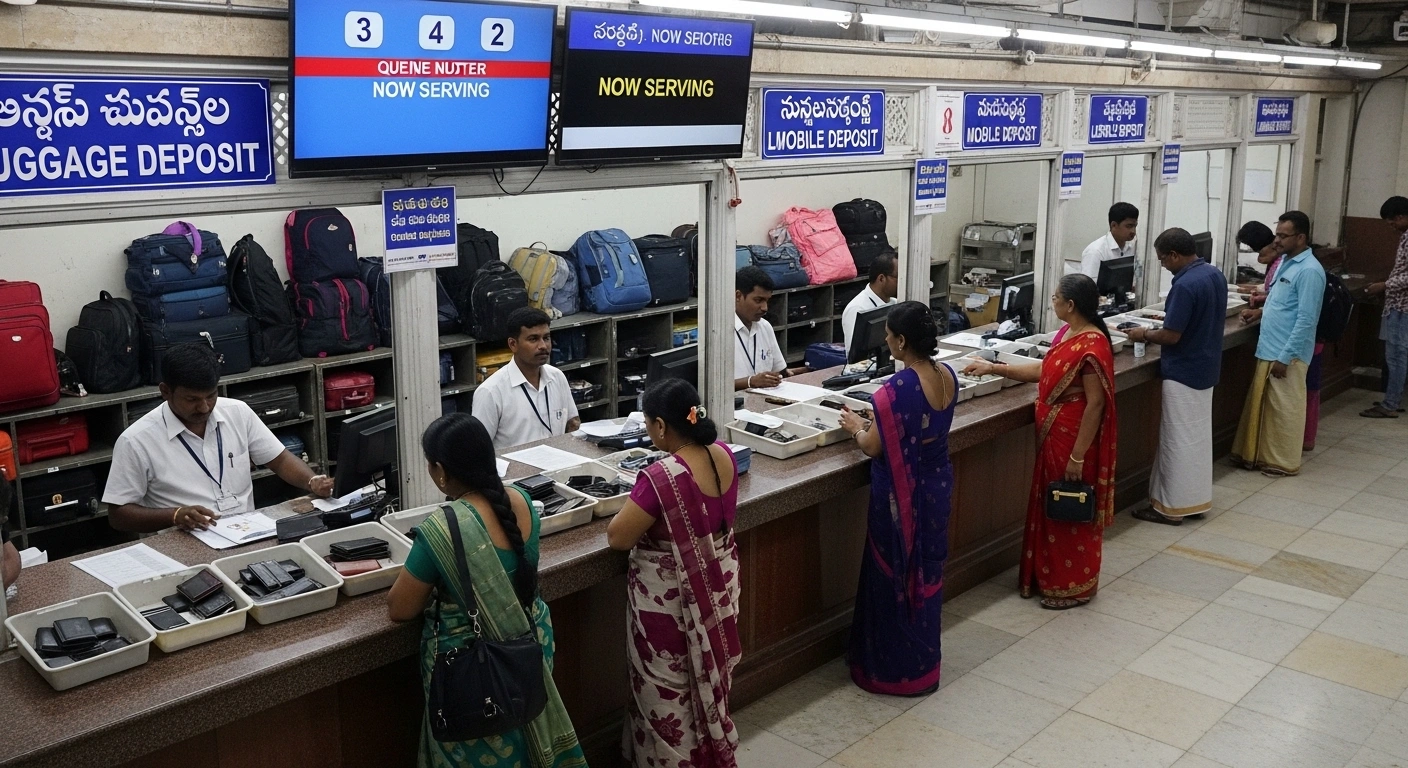
Where to Deposit Laptop Bag & Mobile Phone in Tirumala – Latest TTD Locker & Baggage Guide
In Tirumala at the Sri Venkateswara Temple (Tirupati Balaji), laptop bags, mobile phones, and other luggage/electronics are strictly prohibited inside the main temple complex, sanctum, or darshan queues to preserve sanctity and prevent distractions. TTD provides free mobile lockers, baggage deposit counters, and luggage facilities at key locations. These are safe, guarded (often with CCTV), and operational 24/7 at major spots—deposit before entering queues and collect after darshan with your token/receipt. For information on Where to Deposit Laptop Bag & Mobile Phone in tirumala, refer to the TTD guidelines. Why Deposit Items? Key Deposit Locations & Process TTD counters are at major entry points, queue complexes, and PACs (Pilgrim Amenities Complexes). Process: Approach counter, deposit items (tag heavy luggage), get token/slip, collect post-darshan (some have separate collection points like PAC IV for VQC deposits). Main Locations (based on latest TTD info and devotee reports): For early morning darshan: Deposit the night before or at entry to avoid rush. Step-by-Step Process Timings: 24/7 at major complexes; no charge—completely free. Tips for Smooth Experience FAQ Q: Are deposit facilities free? A: Yes—completely free at all TTD counters; no charges for mobiles, bags, or luggage. Q: Where do I collect after darshan? A: Often separate collection like PAC IV for VQC deposits; check token for counter number—some transfer to exit points. Q: Can I deposit laptop bag and mobile together? A: Yes—at any baggage/mobile counter (e.g., VQC, PACs); tag heavy laptop bag if needed. Q: What if I have early morning darshan? A: Deposit night before at PACs/VQC or upon arrival; counters open 24/7. Q: Are there lockers for valuables? A: Yes—free at select spots (e.g., PAC III central lockers); Aadhaar may be required. Deposit your items safely and enjoy a peaceful darshan at Tirumala! Om Namo Venkatesaya! For real-time updates, check official TTD site (tirumala.org or ttdevasthanams.ap.gov.in) or TTD app before your trip from Nellore. Safe journey!
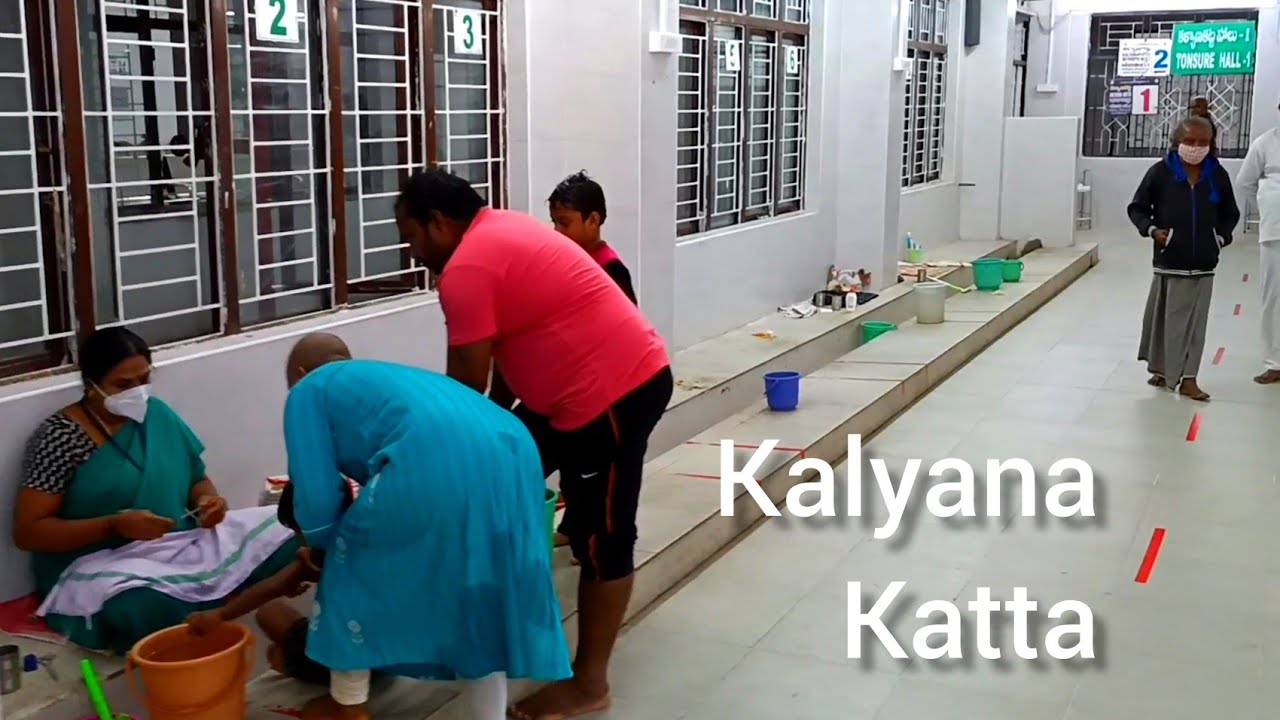
Tirumala Hair Offering Timings – Guide to Tonsure at Kalyana Katta Locations
In Tirumala at the Sri Venkateswara Temple (Tirupati Balaji), hair offering—known as tonsure, mundan, talanelalu, or mudi samarpana—remains a key devotional act. Devotees shave their heads (full or partial) at TTD’s Kalyana Katta facilities to fulfill vows, purify themselves, or show surrender to Lord Venkateswara. It’s free at most locations, hygienic (new blades, antiseptics), and available almost 24/7 at main sites. Over 1,300 barbers work in shifts across main and mini facilities to keep waits short. For the latest updates, refer to the Tirumala Hair Offering Timings to plan your visit effectively. For the latest updates, refer to the Tirumala Hair Offering Timings to plan your visit effectively. Be sure to check the Tirumala Hair Offering Timings before your visit. What is Hair Offering in Tirumala? It’s shaving the head as an offering—often for granted wishes (health, children, success). Do it before darshan for best results. TTD provides computer tokens, separate men/women areas, and post-tonsure baths. Partial cuts (e.g., three scissors) or sealed hair from elsewhere can go into the hundi. Spiritual Significance & Neela Devi Legend Tonsure removes sins/impurities, sheds ego/vanity, and shows complete devotion. Legend: Lord Srinivasa’s head was injured; Neela Devi offered her hair to heal it. The Lord blessed her name to the hill (Neeladri) and all offered hair. Tonsure Timings & Locations (Latest TTD Official Info) TTD runs one main Kalyana Katta and multiple mini ones. Main facilities operate 24 hours in 4 shifts (3 AM–9 AM, 9 AM–3 PM, 3 PM–9 PM, 9 PM–3 AM) with hundreds of barbers per shift. Mini ones vary (often 2–3 shifts). Here’s the comprehensive table from official TTD sources (tirumala.org/KalyanaKatta.aspx): Sl No. Location/Area No. of Shifts Timings Barbers per Shift Notes 1 Main KKC (Main Kalyana Katta, opp. Annadanam Complex) 4 3 AM–9 AM, 9 AM–3 PM, 3 PM–9 PM, 9 PM–3 AM 110 Largest; 24/7; high capacity 2 PAC1 (Pilgrim Amenities Complex 1, opp. Tirumala Bus Stand) 4 Same as above (24 hours) 80 24/7; convenient for bus arrivals 3 PAC2 (Pilgrim Amenities Complex 2, opp. Tirumala Bus Stand) 4 Same as above (24 hours) 95 24/7; near bus stand 4 SPRH (likely Sri Padmavathi Rest House or similar) 4 Same as above (24 hours) 8 Mini; 24/7 5 SVRH (Sri Venkateswara Rest House) 4 Same as above (24 hours) 7 Mini; 24/7 6 GNC (possibly Guest House/Near Cottages) 3 3 AM–9 AM, 9 AM–3 PM, 3 PM–9 PM 19 Up to 9 PM 7 NDRH 3 Same as above (3 AM–9 PM) 46 Up to 9 PM 8 HVC (Hill View Cottages) 2 6 AM–12 PM, 12 PM–6 PM 19 Daytime only 9 KTRH 2 Same as above (6 AM–6 PM) 14 Daytime only 10 SGRH 2 Same as above (6 AM–6 PM) 14 Daytime only Additional Mini Facilities: Other Popular Spots (e.g., Rambageecha Guest House near main temple): Often 6 AM–6 PM (sometimes extended; nominal paid fee Rs. 35–50 for quicker, less crowded service). Many guest houses have mini setups—check on arrival. Timings are standard; no closures on auspicious days (Tuesdays, Ekadasi, etc.). Queues shorter at minis/guest houses; main ones busiest. Step-by-Step Process & Tips Tips: Early/late shifts for less crowd; guest houses for speed; all days open. FAQ Q: Is tonsure free everywhere? A: Yes at main/mini Kattas; nominal fee at some guest houses for faster service.Q: Can we give hair in tirumala after darshan ? A: Yes , devotees, are, required, to, take, a bath, and, follow, specific, temple, dress, codes, before, proceeding, for, Darshan. But mostly devotees offer before darshan. Q: Best spot to avoid long waits? A: Mini at guest houses (e.g., Rambageecha) or PACs; main for 24/7 access. Q: Can children/infants tonsure? A: Yes—any age; free; special darshan possible with proof. Q: Timings on special days? A: Same—no restrictions; open all days. Q: Is hair tonsure compulsory in Tirumala? A: No—optional but common for vows and blessings. Q: What are the best timings to avoid crowds? A: Early shifts (3 AM–9 AM) or late night; guest houses for quicker paid service. Q: Can women or children do full tonsure? A: Yes—female barbers available; partial options common for women; kids/infants welcomed. Q: Where in Tirupati can I offer hair? A: Kapila Theertham or Kapileswara Swamy Temple (timings ~6 AM–6 PM); hair reaches Tirumala. Q: Is it allowed on any day, like Tuesdays? A: Yes—all days open; no restrictions. Q: Where in Tirupati? A: Kapileswara Swamy Temple (6 AM–6 PM approx.); hair reaches Tirumala. This powerful ritual brings peace and blessings—plan around your schedule! Om Namo Venkatesaya! For real-time checks, visit tirumala.org or TTD app.
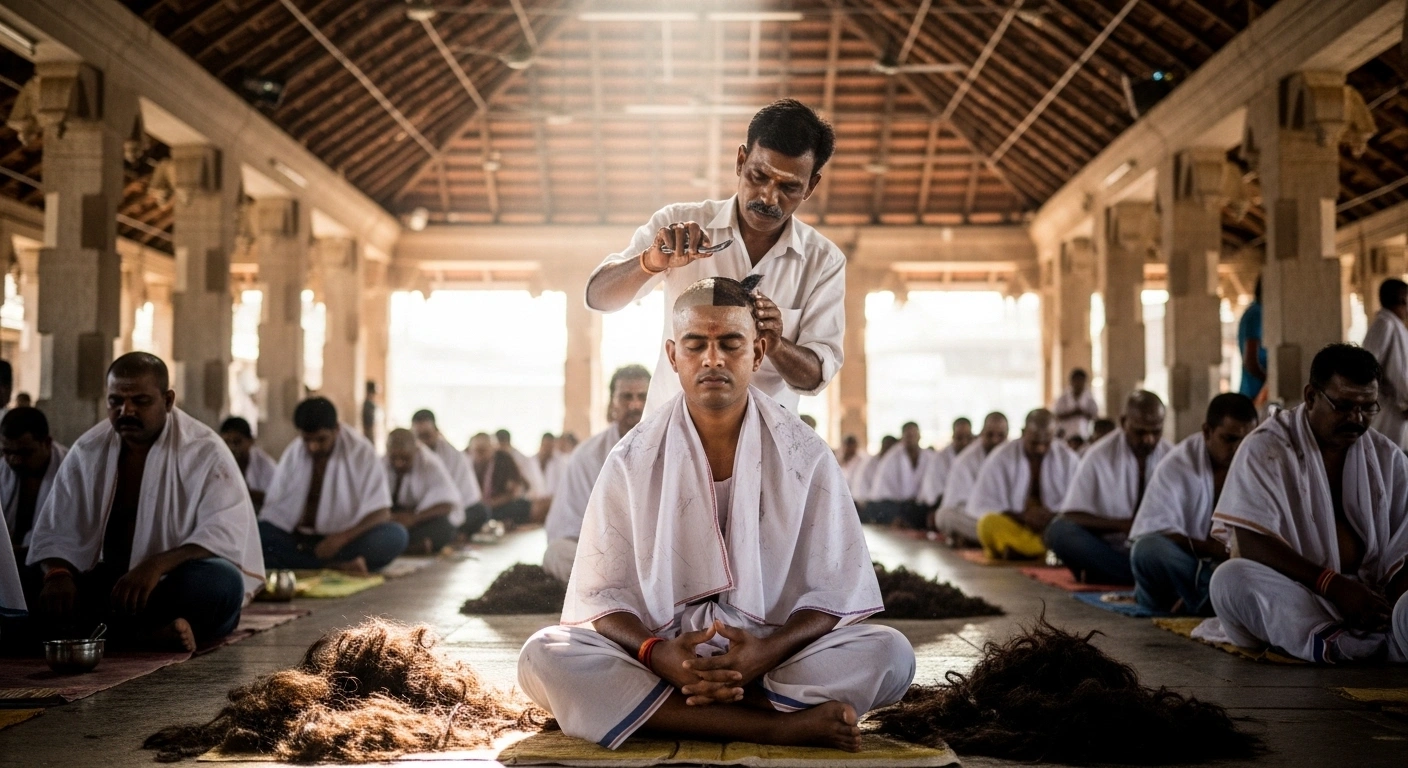
Why Hair Tonsure is Done in Tirumala – Significance, Story, Timings, Location & Guide
At the sacred Tirumala Venkateswara Temple (Tirupati Balaji), hair tonsure (also called mundan or talanelalu) is one of the most common and powerful rituals. Thousands of devotees—men, women, and children—offer their hair daily at the Kalyana Katta (tonsure halls) run by TTD. This act is free, hygienic, and done round-the-clock. It symbolizes deep devotion, but has rich spiritual and legendary reasons. What is Tonsure at Tirumala Tirupati? Tonsure means shaving or cutting the head hair completely (or partially for some) as an offering to Lord Venkateswara (Balaji). Devotees do it before or after darshan, often as part of vows (mokkubadi or vrata). TTD manages large halls with trained barbers (over 1,300 working in shifts), antiseptics for safety, and quick service—even for women with long hair. The offered hair is auctioned by TTD, generating huge revenue used for temple upkeep and charities. Main Reasons and Spiritual Significance Devotees tonsure for these key purposes: In Hinduism, tonsure is an ancient practice for purification, seen in pilgrimages like Tirumala. The Popular Legend Behind It (Story of Neela Devi) The most accepted story comes from temple traditions: Long ago, Lord Srinivasa (Venkateswara) lived in an anthill on Tirumala hills. A cowherd (or shepherd) mistakenly hit the anthill with an axe while trying to stop a sacred cow pouring milk for the Lord. The axe hurt the Lord’s head, causing a bald patch and wound. A Gandharva princess named Neela Devi (or Neelambika) saw this. She cut a portion of her beautiful long hair and covered the Lord’s wound with it. Her sacrifice healed Him instantly, and His hair grew back perfectly. Lord Venkateswara, touched by her devotion and knowing hair is a woman’s prized beauty, blessed her: “All hair offered by My devotees at Tirumala will belong to you.” He also named the hill Neeladri after her. This is why devotees offer hair—to honor that divine promise and Neela Devi’s sacrifice. (Some versions link it to other stories, but this is the most popular one told in Tirumala.) How Tonsure is Done at Tirumala FAQ Q: Is tonsure compulsory at Tirumala? A: No—it’s optional but very common as a vow or devotion act. Many skip it. Q: Why do women offer long hair? A: Hair is seen as a big beauty/ego symbol for women; offering it shows greater sacrifice and humility. Q: What happens to the offered hair? A: TTD auctions it (long hair for wigs/extensions, shorter for other uses). Revenue supports temple and social causes. Q: Can children or babies tonsure? A: Yes—many do chudakarana (first haircut) here for blessings. Q: Best time for tonsure? A: Early morning or off-peak to avoid crowds; do before darshan for full purification feel. Tonsure at Tirumala is more than a ritual—it’s a heartfelt act of surrender to Lord Balaji. Millions do it yearly for peace, blessings, and humility. If planning a visit, experience this powerful tradition! Om Namo Venkatesaya! For latest TTD info, check ttdevasthanams.ap.gov.in.
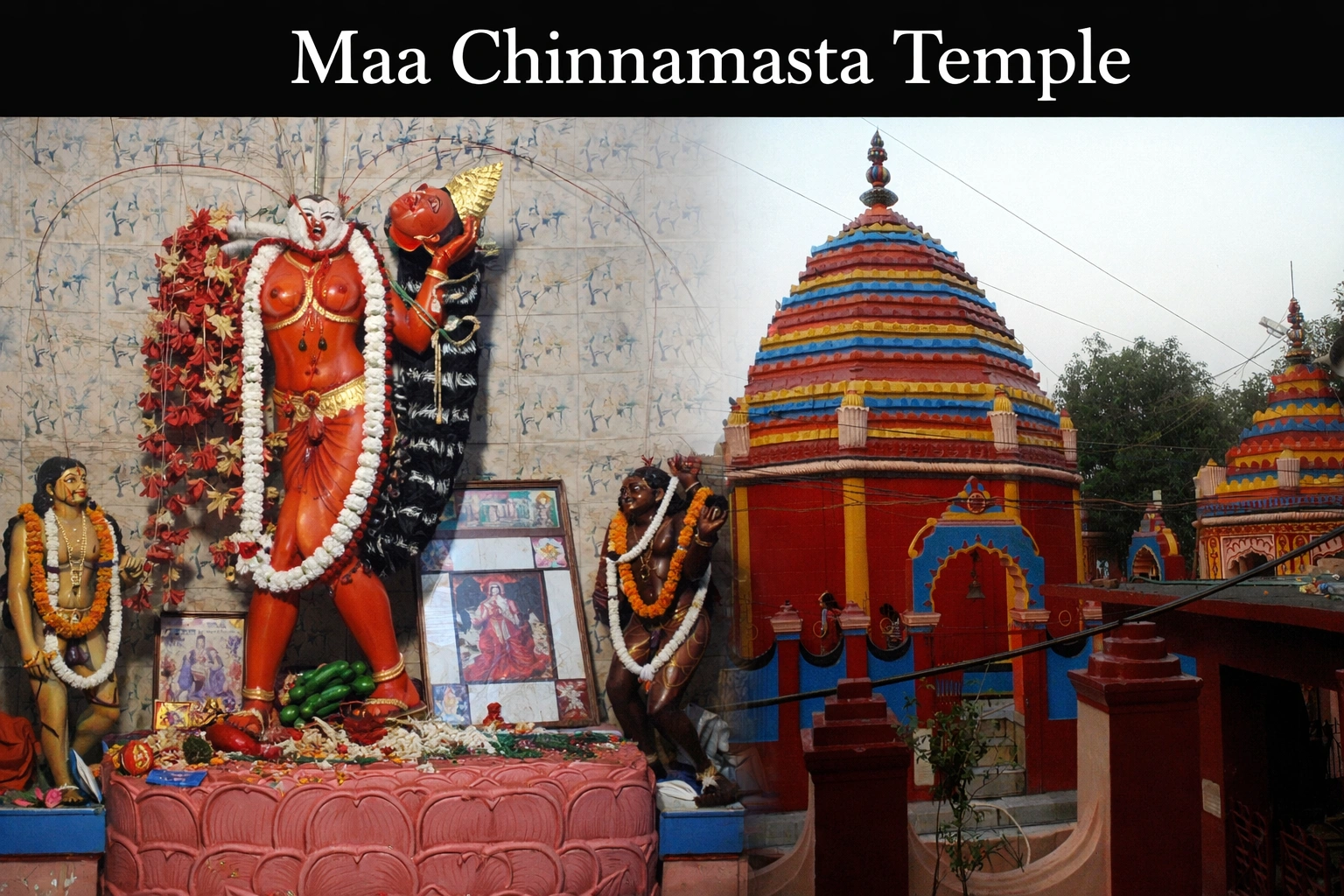
Chinnamasta Devi Temple – India & Nepal – History, Timings, Pooja, Significance & Guide
Maa Chinnamasta Devi Temple (also known as Chhinnamasta Mandir or Maa Chinmastike Temple) is a powerful Shakti shrine dedicated to Goddess Chinnamasta, one of the ten Mahavidyas. Goddess Chinnamasta (Chhinnamasta or Chinnamastika), the sixth Mahavidya, is a fierce form of Shakti symbolizing self-sacrifice, transcendence of ego, control over desires, and spiritual awakening. Depicted as self-decapitated, holding her severed head while blood streams feed her attendants Dakini and Varnini, she represents both creation and destruction. Temples to her are rare due to her intense Tantric nature, mostly in eastern India and Nepal. Here are the key ones: Rajrappa (Jharkhand – main temple), Sakhada (Nepal), Bishnupur (West Bengal), and Ramnagar (Varanasi, UP). 1. Chhinnamastika Temple, Rajrappa, Jharkhand (Main & Most Famous) This is the primary and most revered Chinnamasta temple in India, a major Shakti pilgrimage site. The Chinnamasta Devi Temple is renowned for its spiritual significance and attracts numerous visitors. 2. Chinnamasta Bhagawati Temple, Sakhada (Shakhada), Nepal A prominent Shakti Peeth in eastern Nepal, also called Shakhada Bhagawati or Shakhadeswori. 3. Maa Chinnamasta Temple, Bishnupur, West Bengal A lively local shrine in historic Bishnupur, amid famous terracotta temples. 4. Chinnamasta Temple, Ramnagar, Varanasi, Uttar Pradesh A rare, restricted shrine linked to Kashi royalty, within Durga Temple complex. FAQ Q: Why are Chinnamasta temples rare? A: Her fierce, Tantric form is intense and approached mainly by advanced sadhakas; public worship limited to eastern India/Nepal. Q: Which is the most important Chinnamasta temple? A: Rajrappa (Jharkhand) is the main pilgrimage center and Shakti Peeth-like site with highest daily crowds. Q: What blessings do devotees seek? A: Spiritual awakening, ego control, wish fulfillment, protection, obstacle removal; powerful for Tantra sadhana. Q: Best time to visit any? A: Navratri, Durga/Kali Puja for energy; early mornings/evenings for peace. Q: Can anyone visit these temples? A: Yes, but respect rules (no photos inside many); Rajrappa/Bishnupur more open; Ramnagar more restricted. Q: Is this an ancient terracotta temple like others in Bishnupur? A: No—it’s about 100 years old, renovated, and modern in structure. It’s religious-focused, not heritage architecture. Q: Why is Goddess Chinnamasta special here? A: Her fierce, self-decapitated form represents ultimate sacrifice and tantric power—rare and intense for devotees seeking deep spiritual or protective blessings. Q: Are there crowds or special days? A: Active daily; more on Tuesdays, Saturdays, Kali Puja, Navratri, and Durga Puja. Peaceful for puja but bustling with local shops. Q: Is photography allowed? A: Strictly no inside the sanctum—respect the rules for sanctity. Q: Best time to visit? A: Combine with Bishnupur sightseeing; evenings for vibrant worship or festivals for heightened energy. These temples offer profound experiences of Shakti’s fierce grace. Jai Maa Chinnamasta! Visit with devotion and check local updates for timings/festivals.
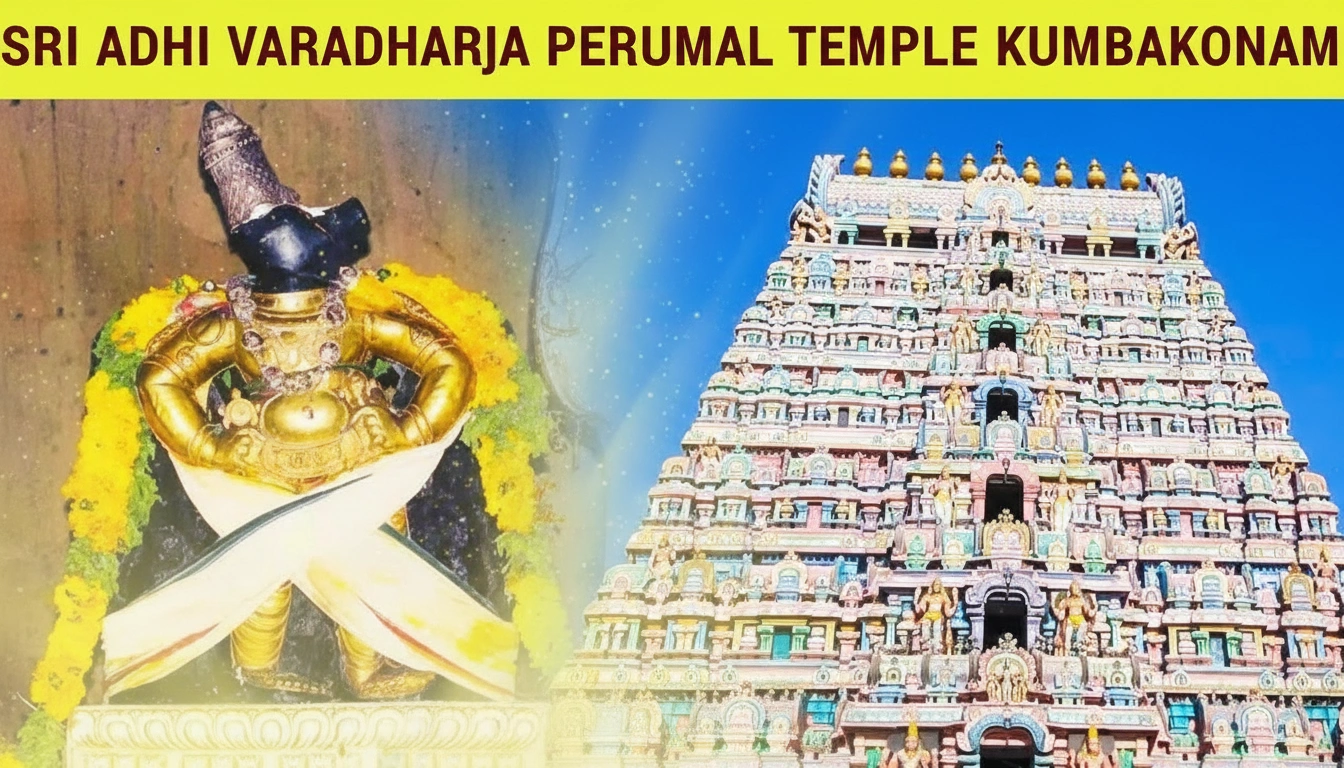
Sri Aadhi Varaha Perumal Temple Kumbakonam – History, Timings & How to Reach
Tucked in the sacred town of Kumbakonam, Sri Aadhi Varaha Perumal Temple (ஸ்ரீ ஆதிவராக பெருமாள் கோயில்) is a serene Vishnu shrine dedicated to Lord Varaha, the boar incarnation. Known for its powerful blessings in removing obstacles, this ancient temple attracts devotees seeking child boon, marriage success, land dispute resolutions, and prosperity. As one of the key temples linked to the famous Maha Magam festival, it offers a peaceful spiritual experience amid Kumbakonam’s temple-rich landscape. What is Sri Aadhi Varaha Perumal Temple? This temple honors Lord Aadhi Varaha Perumal, the primordial Varaha form of Vishnu who rescued Mother Earth (Bhoomidevi) from the demon Hiranyakshan. The moolavar is a unique Salagrama Murthy (fossil ammonite form), with Goddess Ambujavalli (Bhoomidevi) seated on His left lap in a worshipping posture. The utsavar (procession deity) stands with His left foot on Adisesha. The temple follows Pancharatra Agama and features sub-shrines for Vishwaksenar and Acharya Nigamantha Maha Desikar. Varaha Theertham (sacred tank) lies outside the premises. Though small and without a grand rajagopuram, it boasts a welcoming east-facing arch, gold-plated dwajasthambam, bali peedam, Garudalwar, and beautiful gold-plated sanctum threshold with dwara palakas. A special nivedhana from underground roots is offered during arthajama puja, symbolizing the Lord’s rescue act. History and Legend Dating back 500-1000 years (possibly Chola period, around 700-800 years old), the area was once called Varaha Kulam. Legend says Lord Varaha appeared here to lift Bhoomidevi from Padala Loka after Hiranyakshan hid Her underground. It’s believed Aadhi Varaha existed even before Maha Pralaya (great deluge), making Him the “first Perumal” of the region. The Maha Magam festival in Kumbakonam reportedly began after this event. The temple underwent mahasamprokshanam in 2015. Deity and Unique Features Devotees praise its serene vibe, strict yet peaceful darshan (sometimes via mirror at entrance), and reputation for granting prosperity—some call it the “South’s Srinathji.” Festivals and Poojas Temple Timings Timings vary slightly by source, but commonly: Strict adherence recommended—arrive early for peaceful darshan. Arthajama puja (night) features special offerings. How to Reach Sri Aadhi Varaha Perumal Temple FAQ Q: Is this temple ancient? A: Yes, 500-1000 years old with roots in Varaha avatar legend; possibly Chola era. Q: What are the main prayers offered here? A: For child boon, marriage obstacle removal, land/property litigations, prosperity, and Rahu-Ketu dosha relief. Q: How is it connected to Maha Magam? A: One of five Vishnu temples participating in Theerthavari during Maha Magam (every 12 years, but annual Masi Magam too). Q: Is photography allowed? A: Limited inside; respect rules and ask priests. Q: Best time to visit? A: Masi Magam for festivities; early mornings or evenings for calm darshan—avoid peak crowds. Experience the divine power of Aadhi Varaha in Kumbakonam for blessings and tranquility. Om Namo Narayana! For latest updates, contact temple at +91-435-2433077 or visit in person.
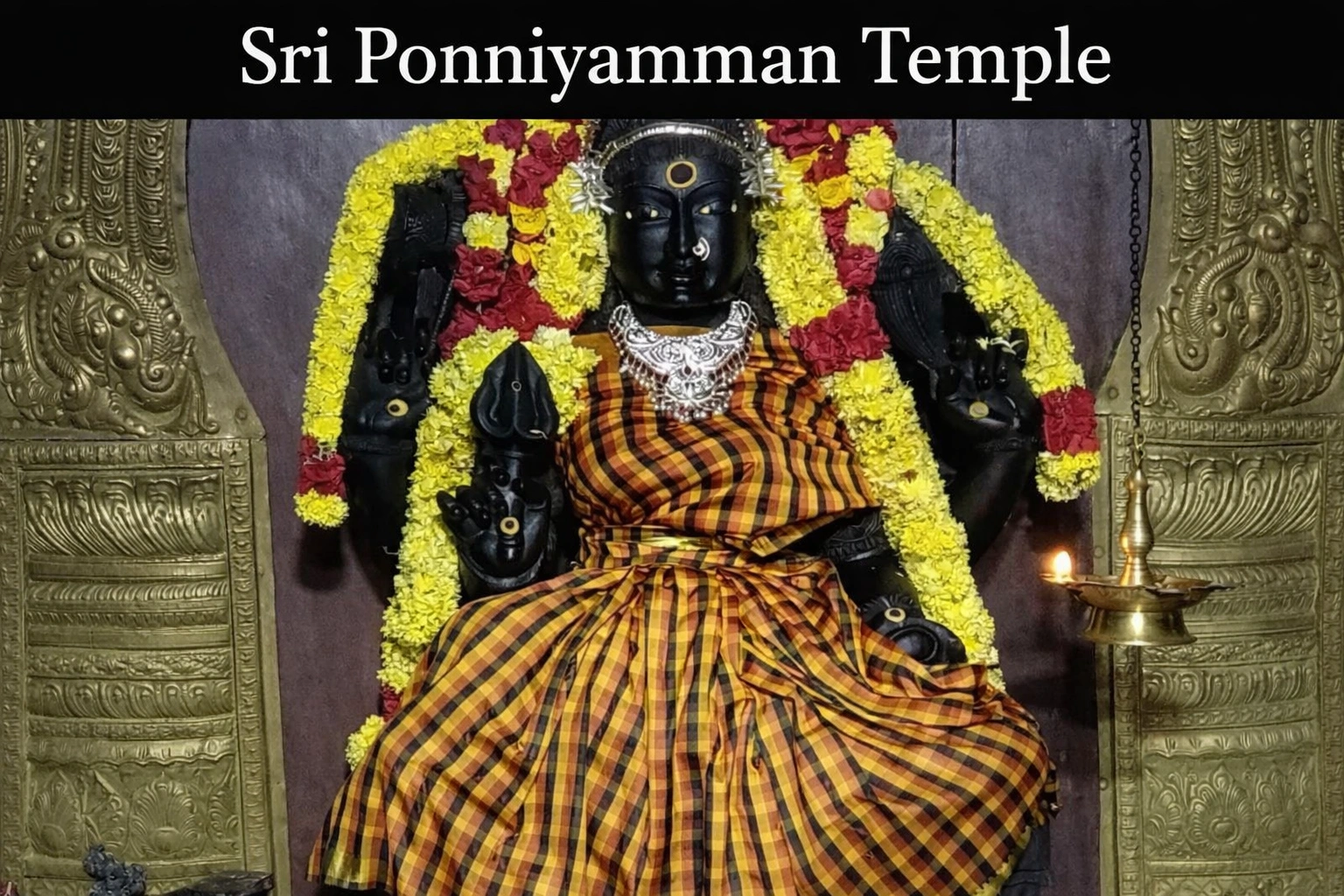
Sri Ponniyamman Temple Sholinganallur Chennai: History, Timings & How to Reach
Located right along the bustling Old Mahabalipuram Road (OMR) in Sholinganallur, Sri Ponniyamman Temple (ஸ்ரீ பொன்னியம்மன் கோயில்) is a popular and peaceful Amman shrine in south Chennai. This revered grama devata temple draws locals and commuters for quick darshan, especially devotees seeking protection, family well-being, child boon, and relief from obstacles. Its prominent spot makes it a familiar landmark for many traveling on OMR. What is Sri Ponniyamman Temple? Sri Ponniyamman Temple is dedicated to Devi Ponniamman, a powerful form of the divine feminine (Amman) worshipped as a village guardian deity across Tamil Nadu. As a grama devata shrine, it holds deep cultural significance for the local community in Sholinganallur. The temple is simple yet vibrant, with the goddess idol in her traditional fierce yet benevolent form. It’s often called a “river shrine” in some descriptions, emphasizing her protective role. Many visitors note its calm atmosphere amid the urban hustle of IT corridor Chennai. History and Significance The exact ancient origins of this Ponniyamman temple are not well-documented in public records, but it serves as a traditional village deity shrine that has grown in prominence with Sholinganallur’s development. Ponniamman temples are common in Tamil Nadu as protectors of land and people. This one has become especially known along OMR, with devotees praising its responsiveness for prayers related to health, prosperity, and marital harmony. It’s maintained as a community temple and sees steady footfall. Deity and Features The main deity is Arulmigu Sri Ponniyamman, depicted in classic Amman style—often with attributes symbolizing power and grace. The sanctum is approachable, and the temple includes typical elements like a flagstaff, bali peedam, and space for offerings. Devotees perform abhishekam, archana, and light lamps for blessings. Festivals and Poojas Daily poojas are conducted regularly. Special crowds gather on Fridays (Amman’s auspicious day) and during Aadi month (July-August), when Amman festivals peak with special alankaram, processions, and poojas. Navratri and other Devi festivals also see heightened celebrations. Temple Timings The temple opens for darshan in two sessions: Timings may vary slightly on festival days or for special poojas—always good to check locally if visiting early or late. How to Reach Sri Ponniyamman Temple FAQ Q: Is Sri Ponniyamman Temple ancient? A: While Ponniamman worship has deep roots in Tamil tradition, this specific shrine’s documented history is more community-based rather than ancient inscriptions—it’s a beloved local guardian temple. Q: What blessings are commonly sought here? A: Protection from evil, child boon (santhana prapti), marriage alliances, family harmony, health, and general prosperity. Q: Are Fridays crowded? A: Yes, Fridays and Aadi Fridays see more devotees due to special poojas—plan accordingly for a peaceful visit. Q: Is photography allowed? A: Usually restricted inside the sanctum; outdoor shots are fine, but respect temple etiquette and ask if needed. Q: Best time to visit? A: Early mornings or evenings for calmer darshan; avoid peak traffic hours on OMR if driving. This easily accessible Amman temple offers a quick spiritual recharge for anyone on OMR. Visit for her powerful blessings! Om Shakti! For real-time updates, check local sources or drop by.
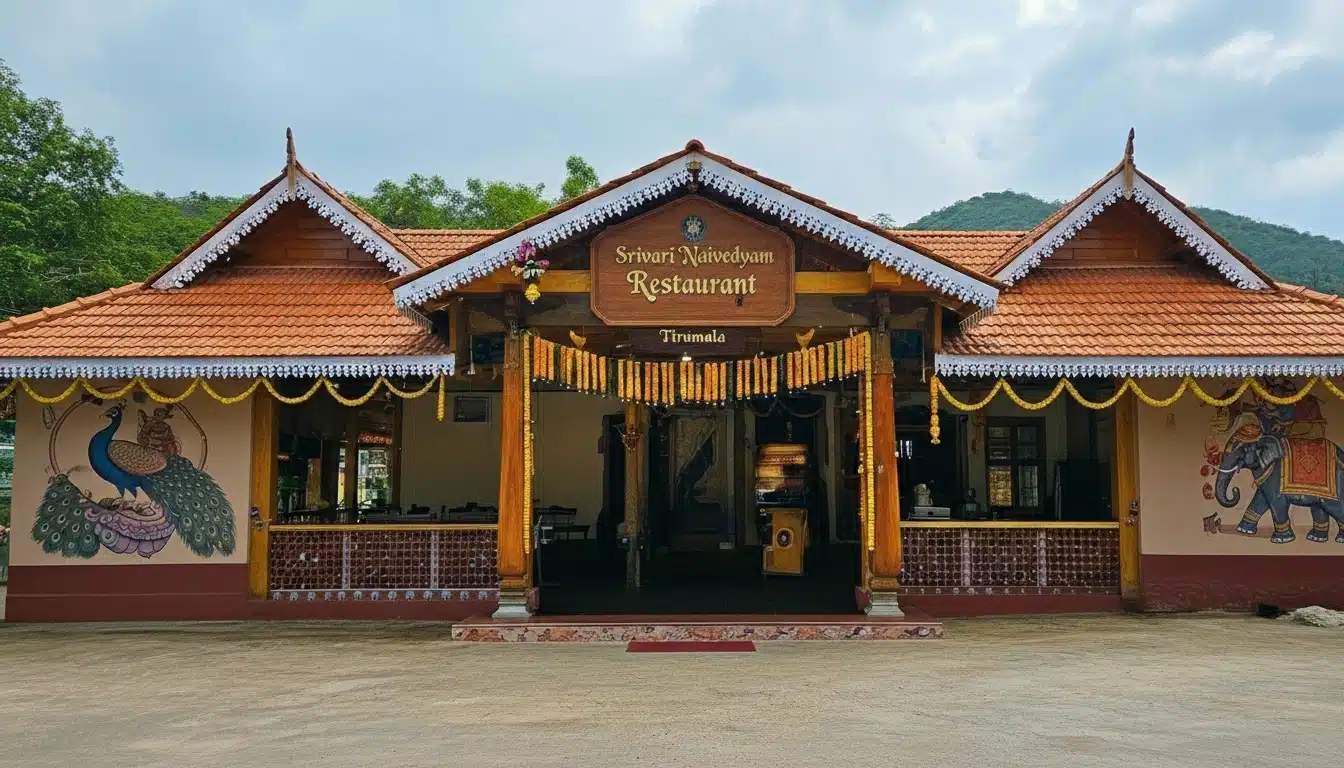
Srivari Naivedyam Restaurant Tirumala: Best Veg Food Spot for Devotees (Timings, Menu, Price, Location & More)
If you are visiting Tirumala Tirupati for darshan, finding good pure vegetarian food is very important. Many devotees look for sattvic (pure and simple) meals near the temple. Srivari Naivedyam Restaurant (also called Naivedyam Restaurant Tirumala) is one popular choice. It offers South Indian thali, dosa, and other veg dishes in a calm, temple-like setting. This guide covers everything you need: timings, menu, price, location, contact number, owner details, and photos. All info is simple and based on recent updates from official sources and visitor reviews (as of 2026). What is Srivari Naivedyam Restaurant? Srivari Naivedyam is a pure vegetarian restaurant in Tirumala. It serves fresh, sattvic food that matches the spiritual vibe of the holy place. Devotees love it for wholesome meals like Naivedyam Thali, crisp dosas, and traditional South Indian items. The place feels devotional with nice decor and respectful service. It is not run by TTD (Tirumala Tirupati Devasthanams), but a private restaurant popular among pilgrims. Many say it is one of the best veg food options outside the free Annaprasadam at the temple. Naivedyam Restaurant Tirumala Location Naivedyam Restaurant Tirumala Timings The restaurant opens early for pilgrims: They serve all day in busy seasons. For groups of 10 or more, you can book tables online in advance. Naivedyam Restaurant Tirumala Menu Highlights The menu focuses on authentic South Indian and sattvic food. Popular items include: It is 100% vegetarian and no onion/garlic in many items to keep it sattvic. Naivedyam Restaurant Tirumala Price Prices are moderate for Tirumala (higher than street food but reasonable for quality): Some devotees compare it to free TTD Annaprasadam and say free prasadam is divine and no cost, but Naivedyam offers variety and comfort. Naivedyam Restaurant Tirumala Contact Number Who is the Naivedyam Restaurant Tirumala Owner? It is part of the Naivedyam chain (they have other outlets too). Specific owner name is not publicly listed in most sources, but it is a family/business-run place focused on temple-area dining. The Instagram page is managed actively for updates. Srivari Naivedyam Photos The restaurant looks clean and devotional. Interiors have temple vibes with simple decor. Food photos show colorful thalis, hot dosas, and fresh curries. Many visitors share pics of their meals on Instagram. Why Visit Srivari Naivedyam in Tirumala? Tip for Devotees: If you want free food, go to TTD Annaprasadam counters (always available). But for a paid, comfortable sit-down meal with variety, try Naivedyam. Many say it makes your Tirumala trip more enjoyable. How to Reach & Book Located in: Sannidanam Guest HouseAddress: Sannidhanam Area, opp. Block 4, Tirumala, Tirupati Urban, Andhra Pradesh 517507 Srivari Naivedyam Tirupati Tirumala Reviews View this post on Instagram A post shared by Beautiful Tirupathi (@beautifultirupathi) View this post on Instagram A post shared by Srivari Naivedyam (@naivedyamrestauranttirumala) View this post on Instagram A post shared by Beautiful Tirupathi (@beautifultirupathi) Planning your Tirumala trip? Add Srivari Naivedyam to your list for a tasty break. Share your experience in comments if you visit! Note: Timings and prices can change. Always confirm on official site or by calling. This is for guidance only. Govinda!