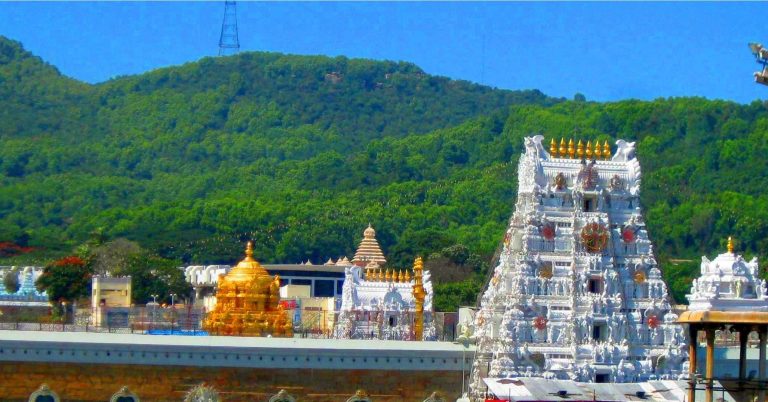
At the sacred Tirumala Venkateswara Temple (Tirupati Balaji), hair tonsure (also called mundan or talanelalu) is one of the most common and powerful rituals. Thousands of devotees—men, women, and children—offer their hair daily at the Kalyana Katta (tonsure halls) run by TTD. This act is free, hygienic, and done round-the-clock. It symbolizes deep devotion, but has rich spiritual and legendary reasons.
What is Tonsure at Tirumala Tirupati?
Tonsure means shaving or cutting the head hair completely (or partially for some) as an offering to Lord Venkateswara (Balaji). Devotees do it before or after darshan, often as part of vows (mokkubadi or vrata). TTD manages large halls with trained barbers (over 1,300 working in shifts), antiseptics for safety, and quick service—even for women with long hair. The offered hair is auctioned by TTD, generating huge revenue used for temple upkeep and charities.
Main Reasons and Spiritual Significance
Devotees tonsure for these key purposes:
- Fulfill Vows and Gratitude — Many make a promise: “If my wish (child, job, health, marriage) is granted, I will offer my hair.” Once fulfilled, they tonsure in thanks.
- Purification and Shedding Sins — Hair is believed to carry pāpa (sins) or impurities. Shaving removes them, purifying the body and mind before seeing the Lord.
- Sacrifice Ego and Vanity — Hair represents beauty, pride, and ego (especially long hair for women). Offering it shows humility, surrender (sharanagati), and detachment from worldly attachments.
- Symbol of Complete Devotion — It’s a personal sacrifice to please Lord Venkateswara, making the devotee feel closer to Him.
In Hinduism, tonsure is an ancient practice for purification, seen in pilgrimages like Tirumala.
The Popular Legend Behind It (Story of Neela Devi)
The most accepted story comes from temple traditions:
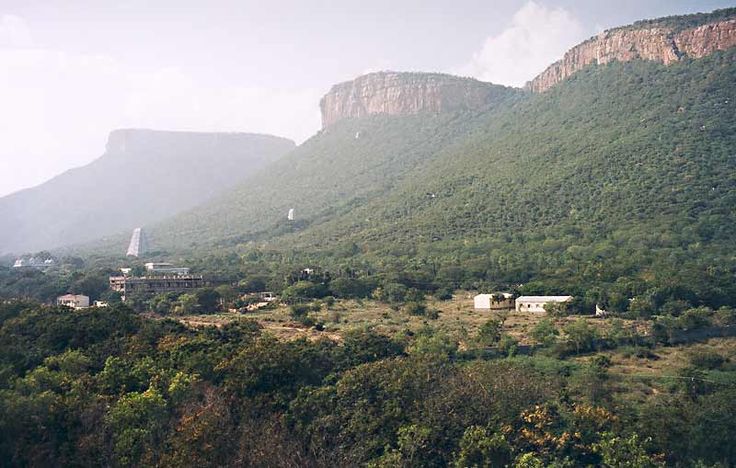
Long ago, Lord Srinivasa (Venkateswara) lived in an anthill on Tirumala hills. A cowherd (or shepherd) mistakenly hit the anthill with an axe while trying to stop a sacred cow pouring milk for the Lord. The axe hurt the Lord’s head, causing a bald patch and wound.
A Gandharva princess named Neela Devi (or Neelambika) saw this. She cut a portion of her beautiful long hair and covered the Lord’s wound with it. Her sacrifice healed Him instantly, and His hair grew back perfectly.
Lord Venkateswara, touched by her devotion and knowing hair is a woman’s prized beauty, blessed her: “All hair offered by My devotees at Tirumala will belong to you.” He also named the hill Neeladri after her.
This is why devotees offer hair—to honor that divine promise and Neela Devi’s sacrifice.
(Some versions link it to other stories, but this is the most popular one told in Tirumala.)
How Tonsure is Done at Tirumala
- Free Service — No cost; TTD provides everything.
- Locations — Main Kalyana Katta (biggest) + mini ones in guest houses/cottages.
- Timings — 24/7 in shifts; no long waits usually.
- Process — Queue, sit with barber, head shaved (antiseptic applied), then bath at nearby places. Women often do it privately.
- After Tonsure — Many take holy bath in Pushkarini tank, visit temple with shaved head for darshan.
FAQ
Q: Is tonsure compulsory at Tirumala? A: No—it’s optional but very common as a vow or devotion act. Many skip it.
Q: Why do women offer long hair? A: Hair is seen as a big beauty/ego symbol for women; offering it shows greater sacrifice and humility.
Q: What happens to the offered hair? A: TTD auctions it (long hair for wigs/extensions, shorter for other uses). Revenue supports temple and social causes.
Q: Can children or babies tonsure? A: Yes—many do chudakarana (first haircut) here for blessings.
Q: Best time for tonsure? A: Early morning or off-peak to avoid crowds; do before darshan for full purification feel.
Tonsure at Tirumala is more than a ritual—it’s a heartfelt act of surrender to Lord Balaji. Millions do it yearly for peace, blessings, and humility. If planning a visit, experience this powerful tradition! Om Namo Venkatesaya! For latest TTD info, check ttdevasthanams.ap.gov.in.