
Sri Ramanavami Utsavams 2026 at Sri Kodandarama Swamy Temple, Tirupati: A Divine Three-Day Celebration
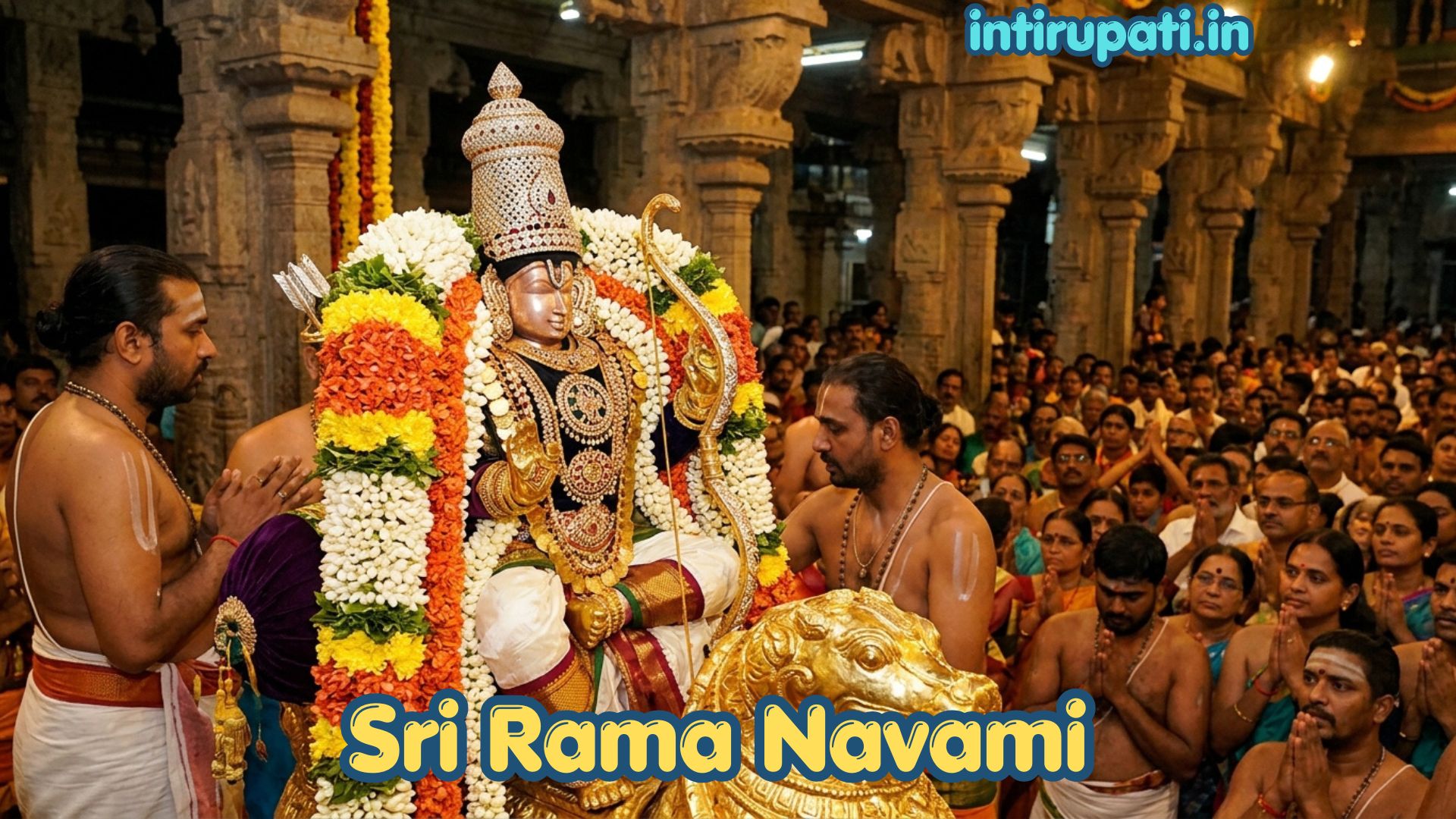
As the holy month of Chaitra ushers in spring, the sacred city of Tirupati prepares to immerse itself in devotion, music, and divine celebration. The Tirumala Tirupati Devasthanams (TTD) has announced a grand three-day Sri Ramanavami Utsavams at the historic Sri Kodandarama Swamy Temple, running from March 27 to March 29, 2026.
This annual celebration commemorates the birth of Lord Rama, the seventh incarnation of Lord Vishnu, and brings to life the timeless stories of the Ramayana through rituals, processions, and spiritual gatherings. Whether you are a devotee planning to attend or simply wish to understand the significance of these festivities, this guide will walk you through everything you need to know.
The Venue: Sri Kodandarama Swamy Temple, Tirupati
Nestled in the heart of Tirupati, the Sri Kodandarama Swamy Temple holds a special place in the spiritual landscape of the region. Unlike the bustling hills of Tirumala, this temple offers a serene atmosphere where Lord Rama, along with Sita, Lakshmana, and Anjaneya (Hanuman), blesses devotees in a tranquil setting.
The temple is renowned for its grand celebrations of Ramanavami, drawing devotees from across the country who come to witness the celestial wedding (Sita Rama Kalyanam) and the majestic processions that bring the Ramayana to life.
Day-by-Day Guide to Sri Ramanavami Utsavams 2026
The three-day festival is meticulously planned, with each day dedicated to a significant event from the life of Lord Rama.
Day 1: March 27, 2026 – Sri Ramanavami
The festivities commence on the auspicious day of Sri Ramanavami, marking the birth of Lord Rama.
Morning Rituals (8 AM – 9 AM):
The day begins with sacred Abhishekam to the presiding deities, followed by Snapana Tirumanjanam—a holy bathing ceremony for the utsava deities (procession idols) of Sri Rama, Sita, Lakshmana, and Anjaneya. This ritual is believed to purify the surroundings and prepare the deities for the day’s celebrations.
Afternoon (3 PM):
Devotees gather for the Sri Ramanavami Asthanam, a grand ceremonial assembly where hymns from the Ramayana are recited, and the Lord is honored with traditional offerings. The atmosphere resonates with Vedic chants and devotional music.
Evening (7 PM):
A visual treat awaits as the Lord blesses devotees on the Hanumantha Vahanam (Hanuman’s vehicle). The procession winds through the temple Mada streets, with Lord Rama seated gracefully, reminding us of Hanuman’s unwavering devotion. This is a sight to behold—a sea of devotees, the rhythmic beats of drums, and the divine presence of Rama.
Day 2: March 28, 2026 – Sri Sita Rama Kalyanam
The second day is the crown jewel of the Utsavams—the celestial wedding of Sri Sita and Sri Rama.
Morning (9 AM – 10 AM):
A unique procession marks the beginning of the wedding preparations. Mutyala Talambralu (pearls used in the wedding ritual) are carried on a beautifully adorned elephant from the TTD Administrative Building to the temple. This procession, accompanied by temple honors, sets the festive mood for the day.
Evening (6 PM – 9 PM):
The much-awaited Sri Sita Rama Kalyanam takes center stage. The wedding ceremony is conducted with full Vedic rituals, recreating the divine union of Rama and Sita. Devotees can participate in this sacred event by paying Rs. 1000/-, which includes offerings of Uttariyam, Ravike, and Laddu prasadam as blessings from the Lord.
For those wishing to participate, it is advisable to arrive early and confirm registration details with the temple authorities.
Day 3: March 29, 2026 – Sri Rama Pattabhishekam
The final day celebrates Lord Rama’s coronation—a moment of justice, righteousness, and the restoration of dharma.
Morning (8 AM):
Sacred water is ceremonially brought from Sri Narasimha Teertham in Tirupati, accompanied by full temple honors. This is followed by Chaturdasha Kalasha Snapana Tirumanjanam, a purifying ritual using fourteen consecrated pots, bathing the Lord in holy waters.
Evening (7 PM – 8:30 PM):
The grand Sri Rama Pattabhishekam (coronation ceremony) is performed. Devotees witness the enactment of Rama’s ascension to the throne of Ayodhya—a moment of joy and spiritual significance.
Post-Ceremony Procession:
Following the Pattabhishekam, a magnificent procession takes place. Sri Sita, Rama, and Lakshmana are seated on a golden Tiruchi (a palanquin-like carrier), while Sri Anjaneya Swamy graces a special Tiruchi. Together, they circumambulate the temple Mada streets, blessing one and all.
Teppotsavams 2026: The Float Festival
The celebrations do not end with the Ramanavami Utsavams. From March 30 to April 1, 2026, devotees can experience the enchanting Teppotsavams (Float Festival) at Sri Ramachandra Pushkarini, the temple tank.
Daily Schedule:
- Morning (8 AM – 9:30 AM): Snapana Tirumanjanam is performed at the temple.
- Evening (7 PM – 8:30 PM): The Lord, seated on a beautifully decorated float, glides across the Pushkarini waters.
Each evening brings a unique spectacle:
- Day 1 (March 30): The float circumambulates the Pushkarini five times.
- Day 2 (March 31): Seven rounds of the sacred water body.
- Day 3 (April 1): Nine rounds, completing the grand finale.
The sight of the deities gently floating on the shimmering waters, accompanied by Vedic chants and the soft glow of lamps, is an experience that stays with devotees long after the festival ends.
Why You Should Attend
Attending the Sri Ramanavami Utsavams at Sri Kodandarama Swamy Temple is more than a pilgrimage—it is an immersion into living tradition. Here’s why this festival holds a special place:
- Spiritual Significance: Witnessing the celestial wedding or the coronation is considered highly meritorious, believed to bless devotees with harmony and prosperity.
- Cultural Richness: The processions, traditional music, and rituals offer a glimpse into South India’s vibrant temple culture.
- Community Experience: Thousands of devotees come together, creating an atmosphere of collective devotion and joy.
- Blessings of the Divine Couple: Participating in Sita Rama Kalyanam is especially cherished by couples seeking blessings for marital harmony.
Practical Information for Devotees
Location: Sri Kodandarama Swamy Temple, Tirupati, Andhra Pradesh.
Dates:
- Sri Ramanavami Utsavams: March 27–29, 2026
- Teppotsavams: March 30 – April 1, 2026
Kalyanam Participation Fee: Rs. 1000/- (includes Uttariyam, Ravike, and Laddu prasadam)
Best Time to Visit: Evenings are particularly lively with processions and ceremonies. Arriving early in the day allows for a peaceful darshan before the crowds gather.
What to Wear: Traditional attire is appreciated when visiting the temple. Men may wear dhotis, and women can wear sarees or salwar kameez.
Travel Tips:
- Tirupati is well-connected by road, rail, and air. The nearest airport is Tirupati International Airport.
- Local transportation (autos, buses, taxis) is readily available to reach the temple.
- Accommodation ranges from budget lodges to TTD guest houses—booking in advance is recommended during festival days.
Frequently Asked Questions (FAQs)
1. When are the Sri Ramanavami Utsavams 2026 being celebrated?
The Utsavams will be held from March 27 to March 29, 2026, at Sri Kodandarama Swamy Temple in Tirupati. The Teppotsavams continue from March 30 to April 1, 2026. (TTD)
2. What are the main events during the three-day festival?
- March 27: Snapana Tirumanjanam (8–9 AM), Sri Ramanavami Asthanam (3 PM), Hanumantha Vahanam procession (7 PM)
- March 28: Mutyala Talambralu procession (9–10 AM), Sri Sita Rama Kalyanam (6–9 PM)
- March 29: Procession from Sri Narasimha Teertham (8 AM), Sri Rama Pattabhishekam (7–8:30 PM), followed by a grand procession
3. Can devotees participate in the Sita Rama Kalyanam? Is there a fee?
Yes, devotees can participate in the celestial wedding ceremony on March 28. The participation fee is Rs. 1000/-, which includes an Uttariyam, Ravike, and Laddu prasadam.
4. What are Teppotsavams, and when do they take place?
Teppotsavams are the float festival held at Sri Ramachandra Pushkarini. They take place from March 30 to April 1, 2026, daily from 7 PM to 8:30 PM. The float circumambulates the Pushkarini—5 rounds on day one, 7 on day two, and 9 on day three.
5. Where is Sri Kodandarama Swamy Temple located?
The temple is located in Tirupati, Andhra Pradesh. It is easily accessible from the Tirupati railway station and bus stand.
6. Is there any special prasadam available during the festival?
Yes, participants of the Kalyanam receive Laddu prasadam. Additionally, the temple distributes prasadam during the various rituals and processions.
7. Are the Teppotsavams open to all devotees?
Absolutely. The float festival is open to all devotees who wish to witness the deities on the beautifully illuminated float at Sri Ramachandra Pushkarini.
Final Thoughts
The Sri Ramanavami Utsavams at Sri Kodandarama Swamy Temple offer a rare opportunity to witness ancient traditions come alive in all their splendor. From the rhythmic chants during Abhishekam to the grandeur of the celestial wedding and the serenity of the float festival, every moment resonates with devotion.
Whether you are a pilgrim seeking blessings, a traveler exploring India’s cultural heritage, or someone searching for inner peace, these three days promise an experience that nourishes the soul.
Plan your visit, immerse yourself in the divine atmosphere, and carry home memories of a festival celebrated with unwavering faith and timeless tradition.
May Lord Rama’s blessings be with you.
For the latest updates on timings and participation details, devotees are encouraged to check official TTD announcements or visit the temple information center upon arrival.